Saturday, April 28, 2018

Florida Birding

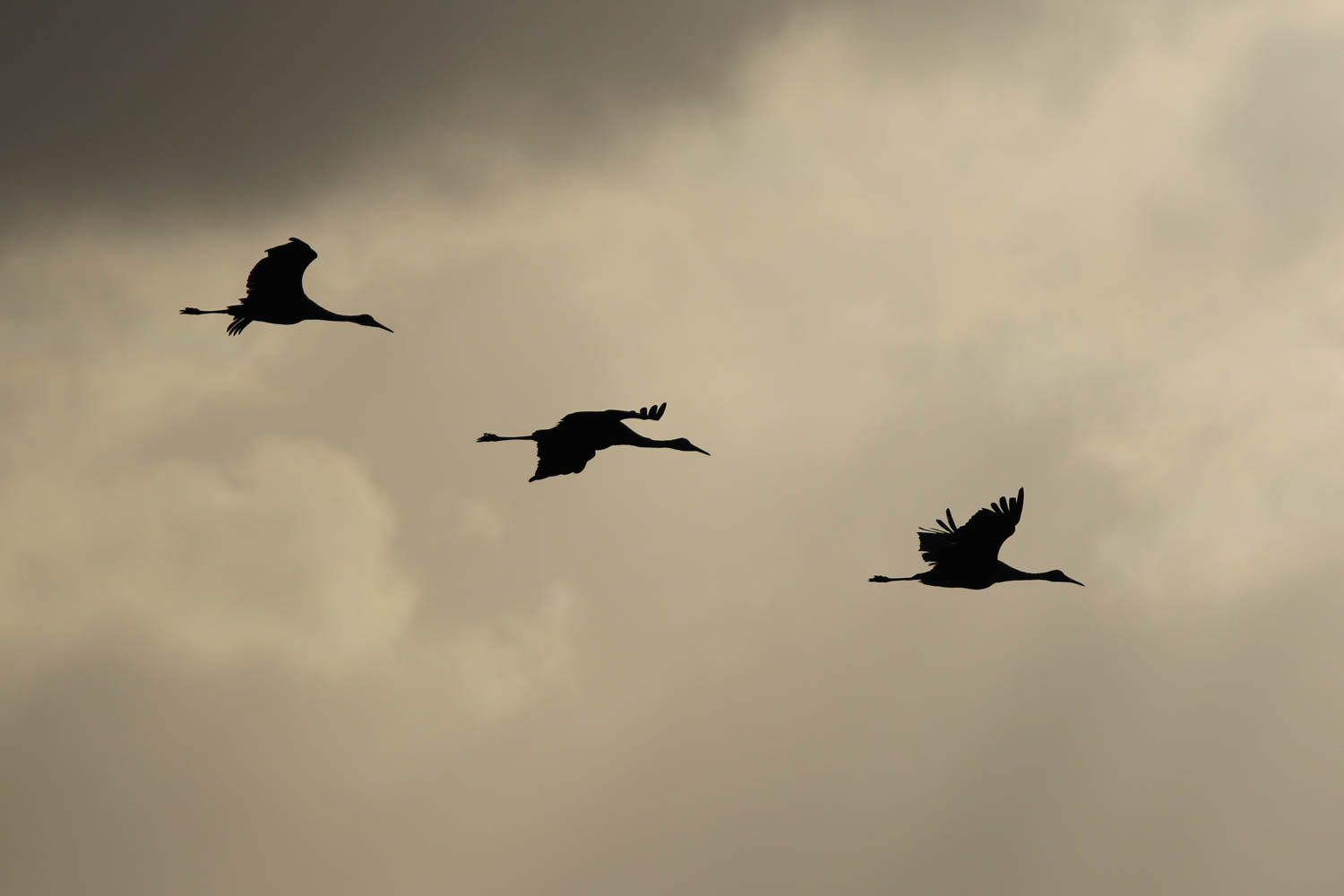
Sandhill Cranes coming in for landing:

HM7A0372 2

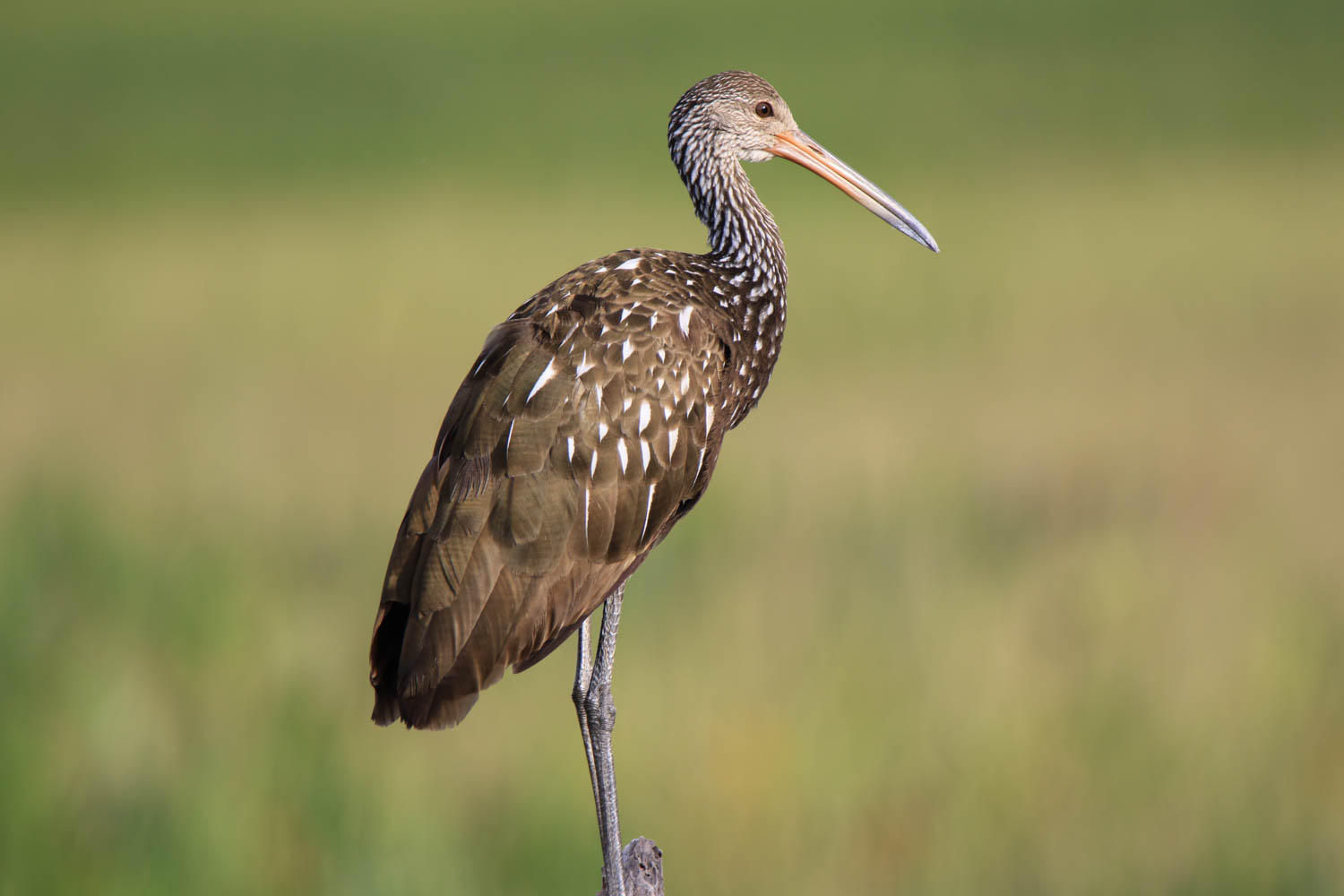
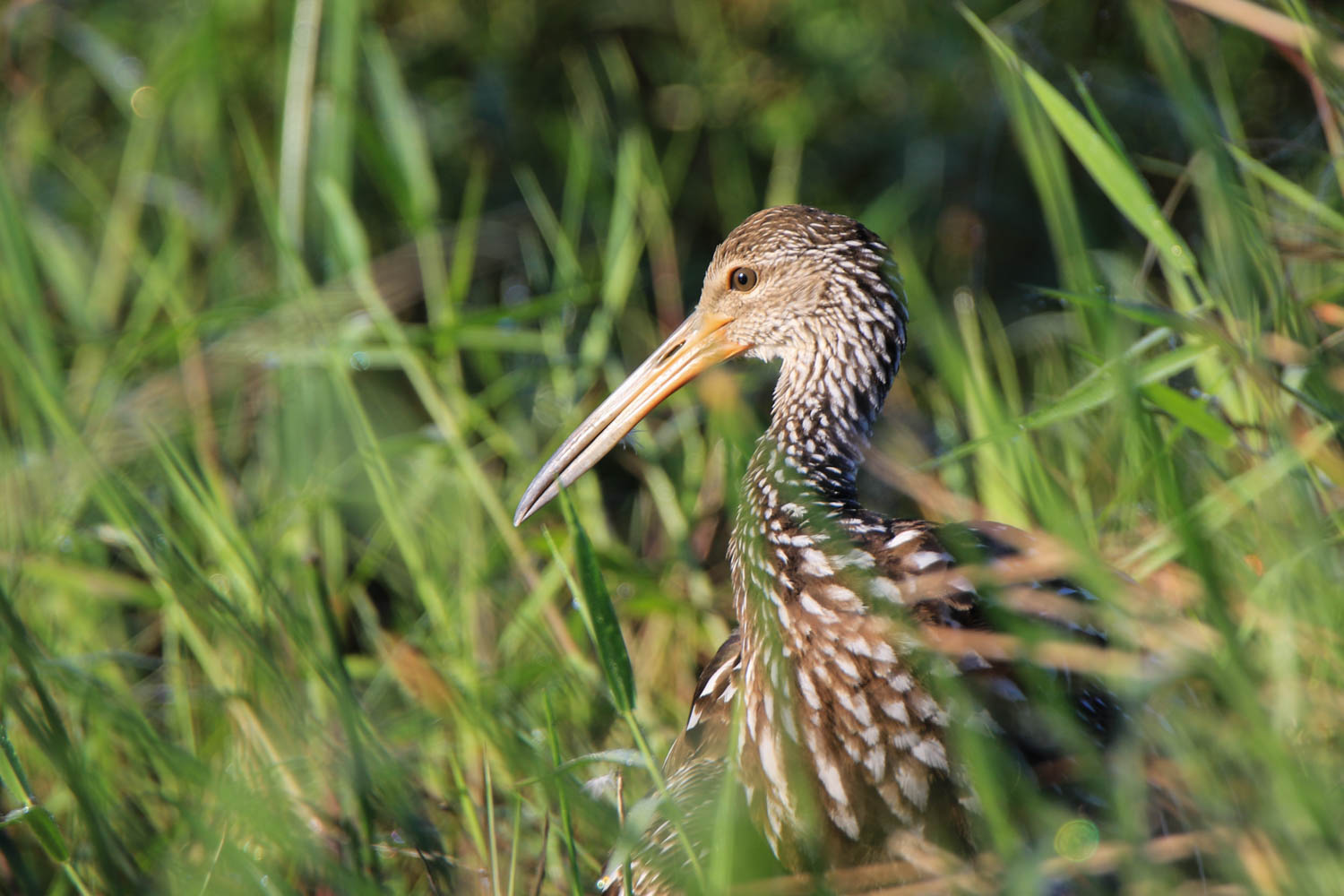
Limpkin:
HM7A9263

HM7A8639

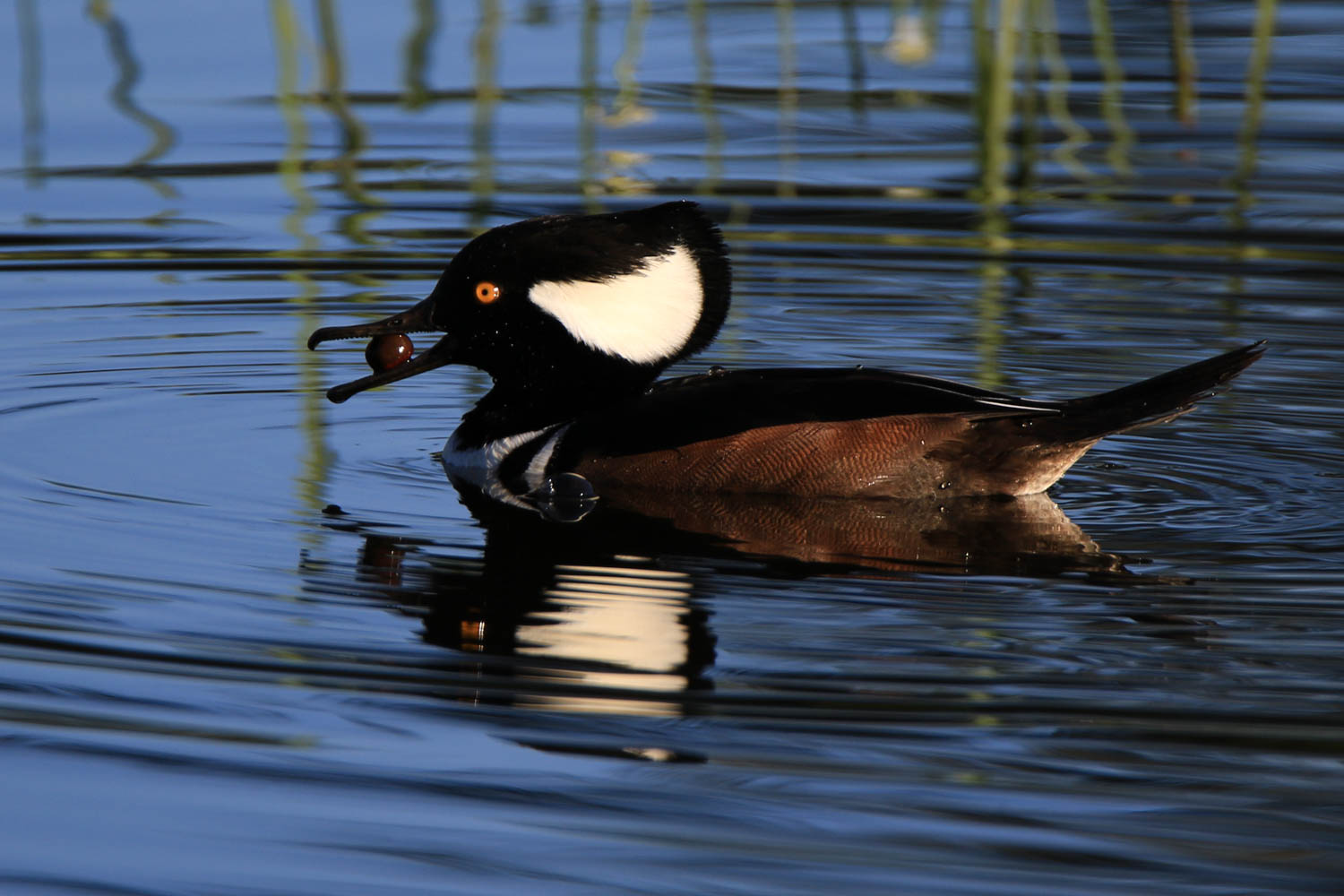
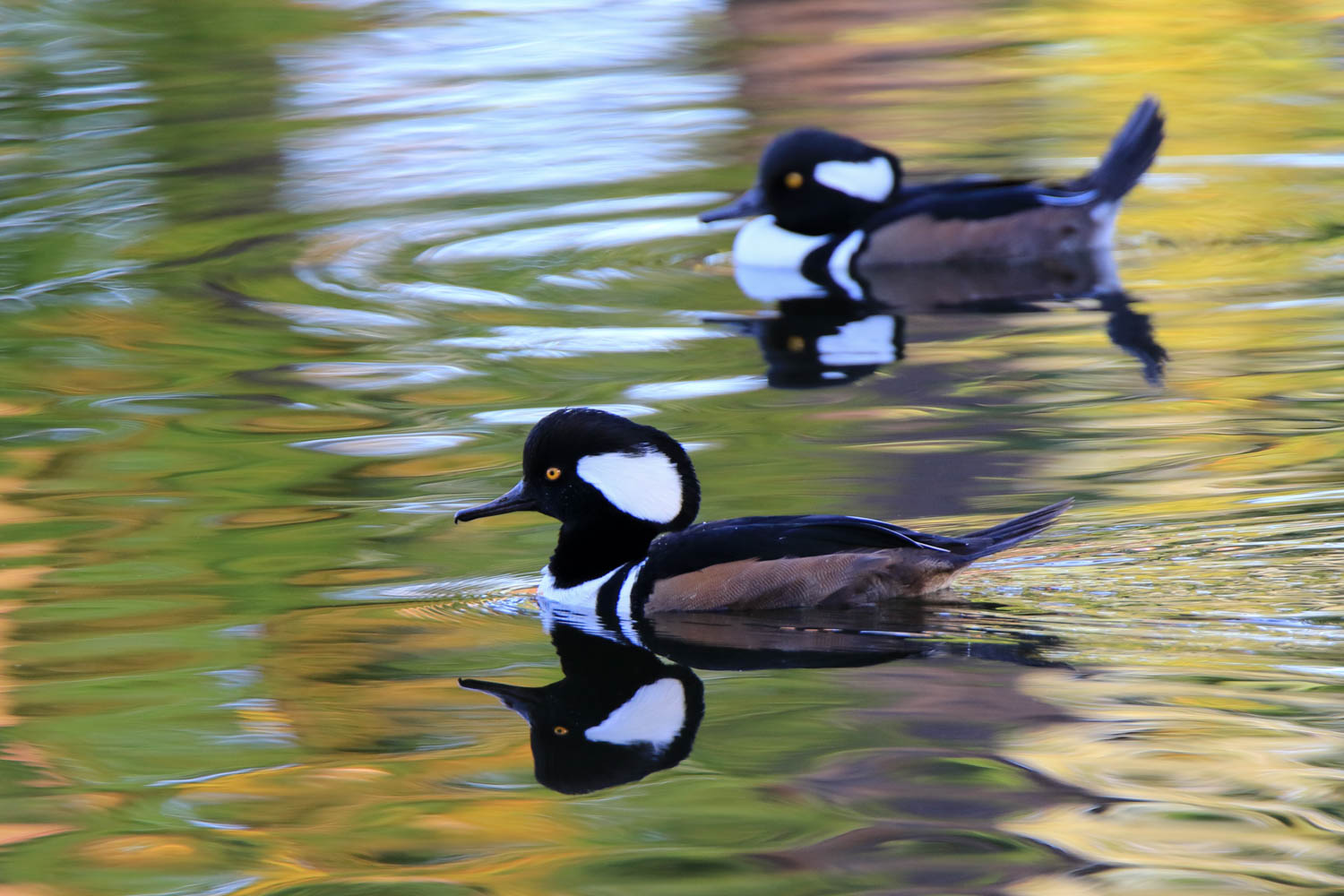
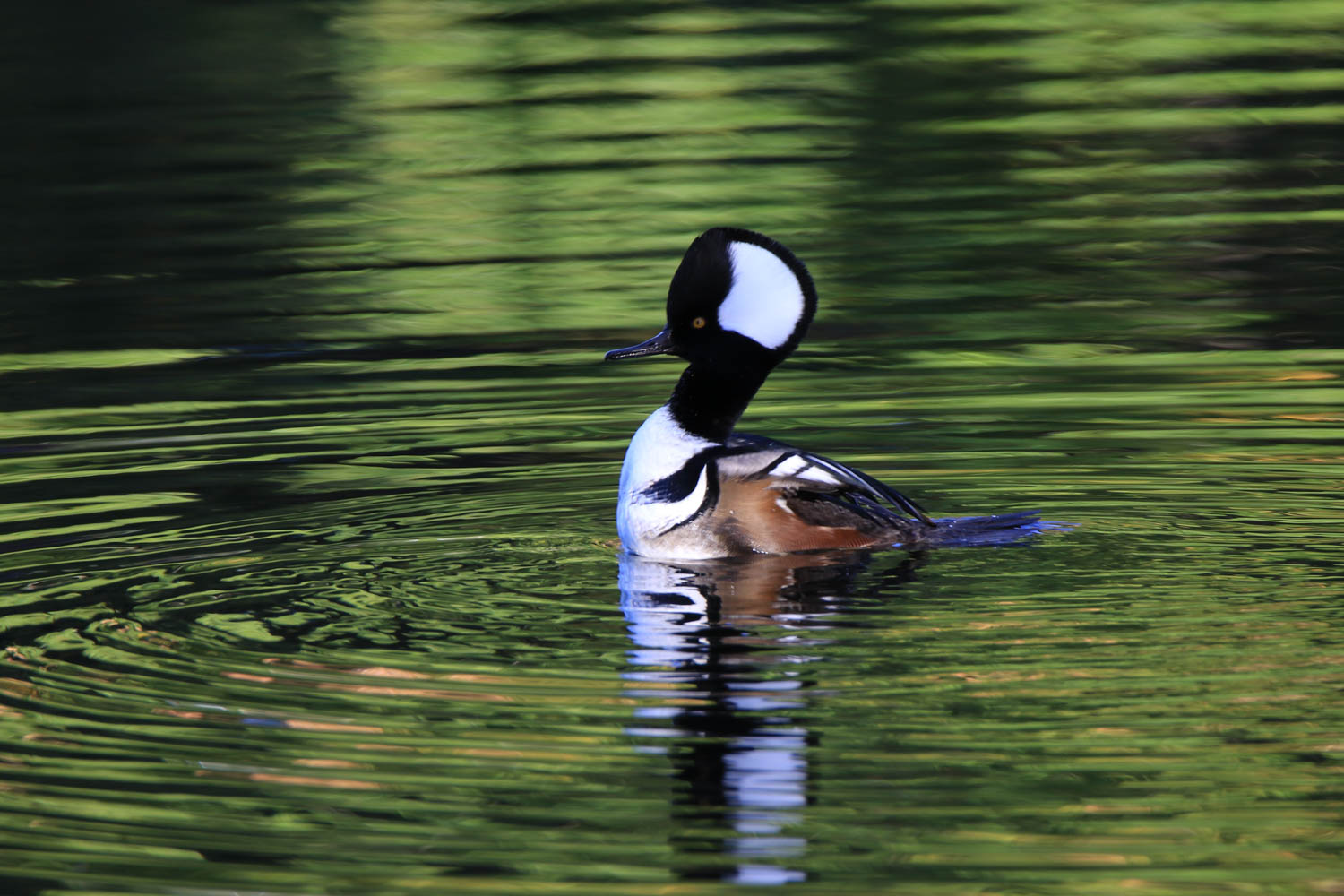
Hooded Merganser:
HM7A8325

HM7A8269

HM7A8247

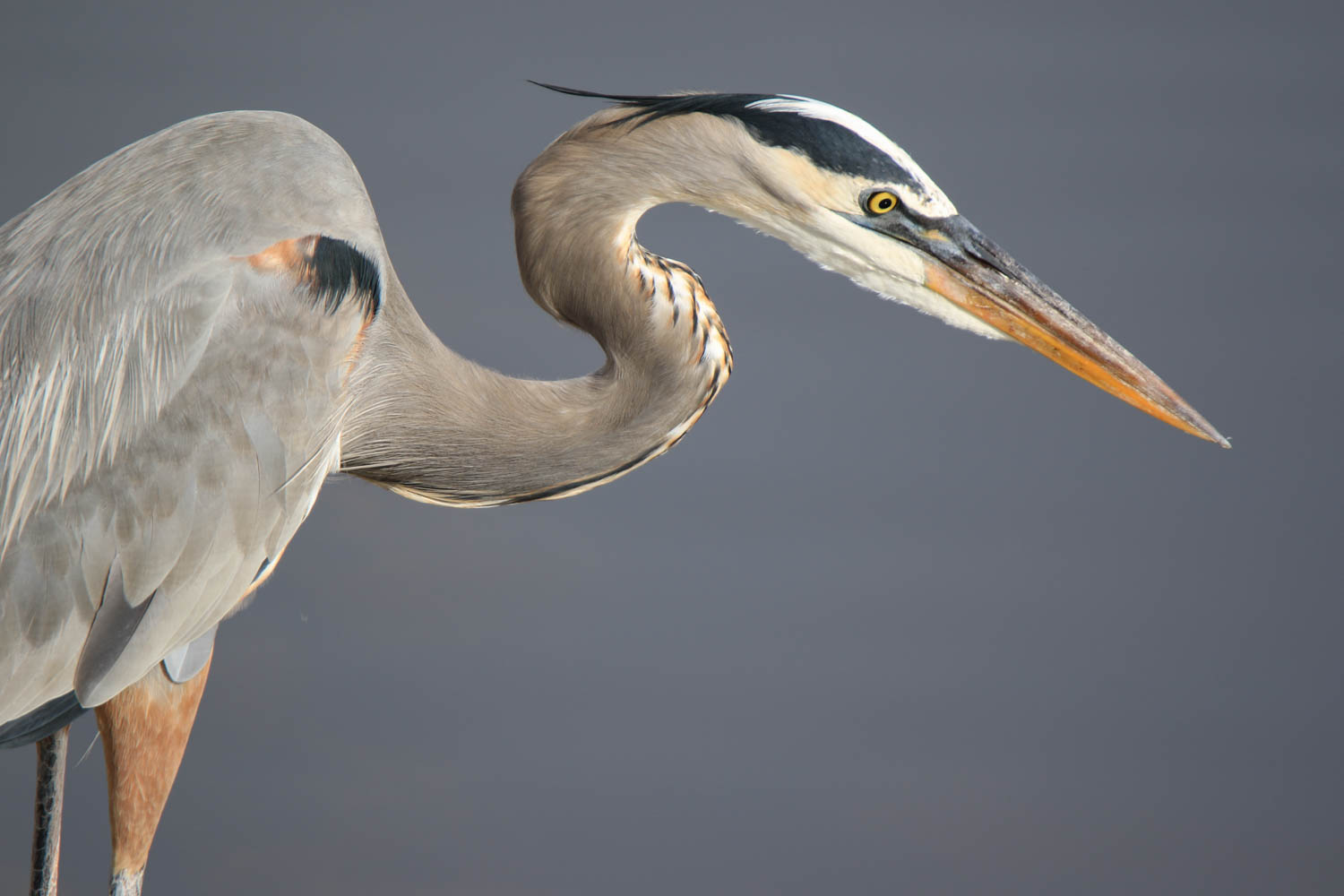
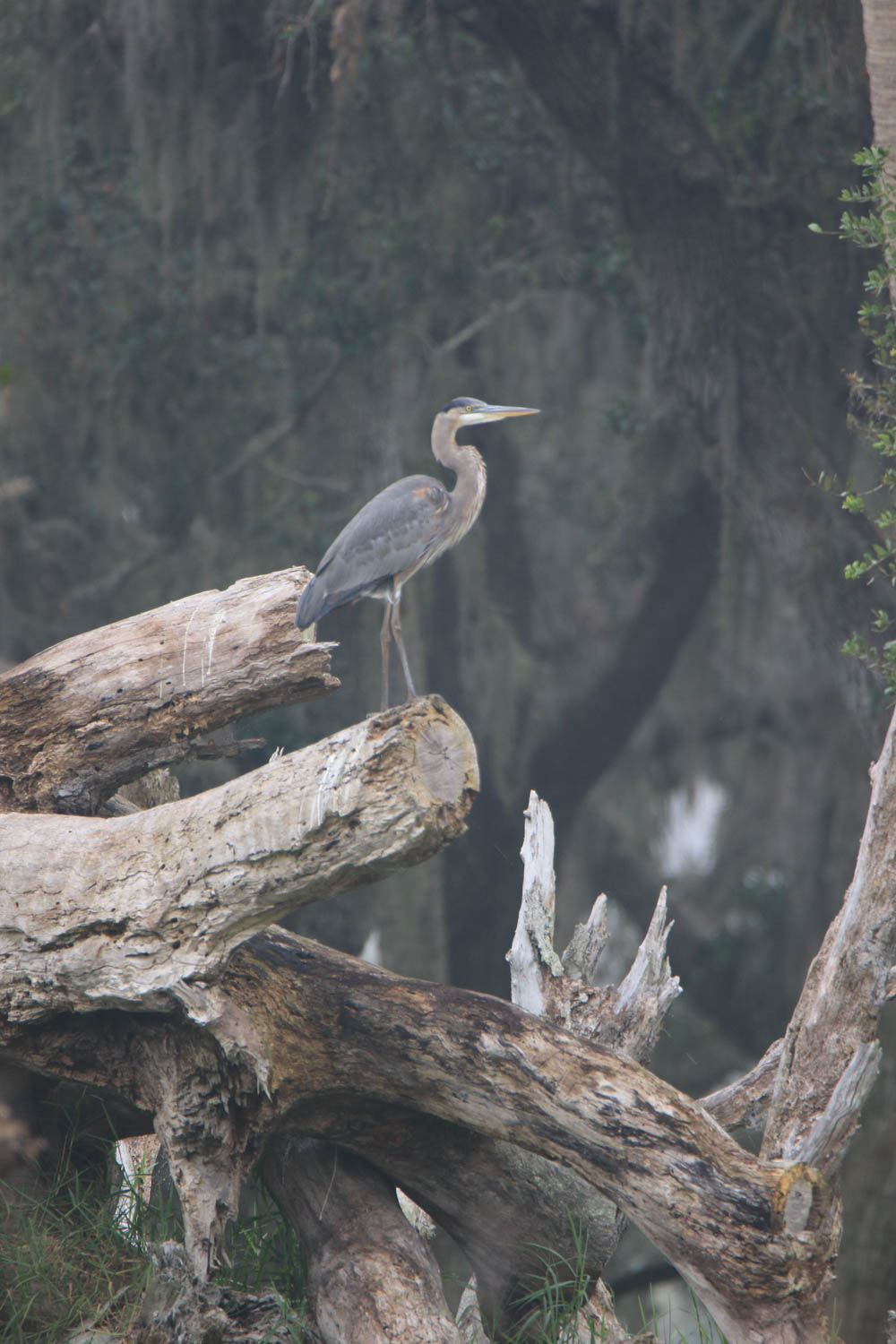
Great Blue Heron:
HM7A8848

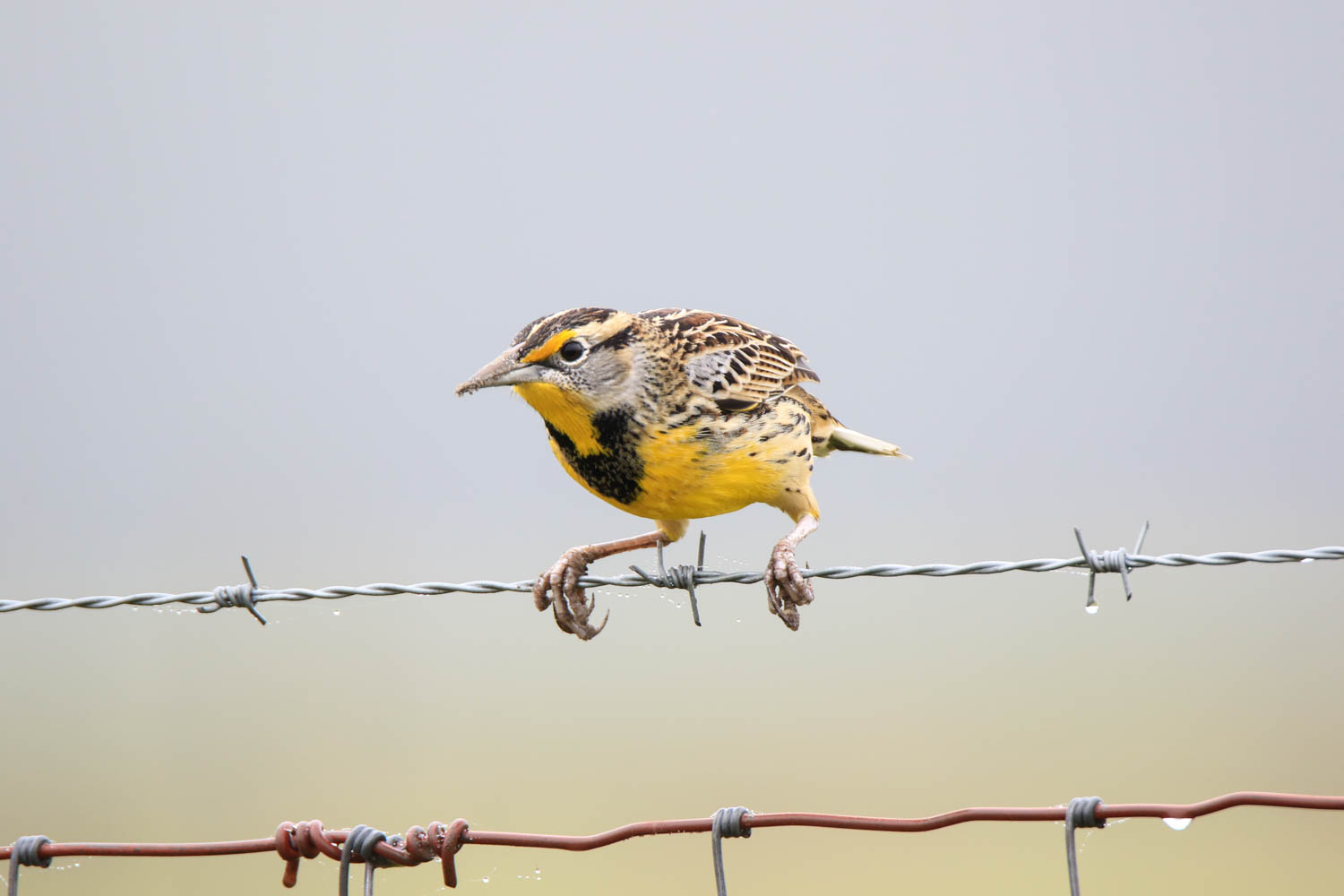
Eastern Meadowlark:
HM7A7414

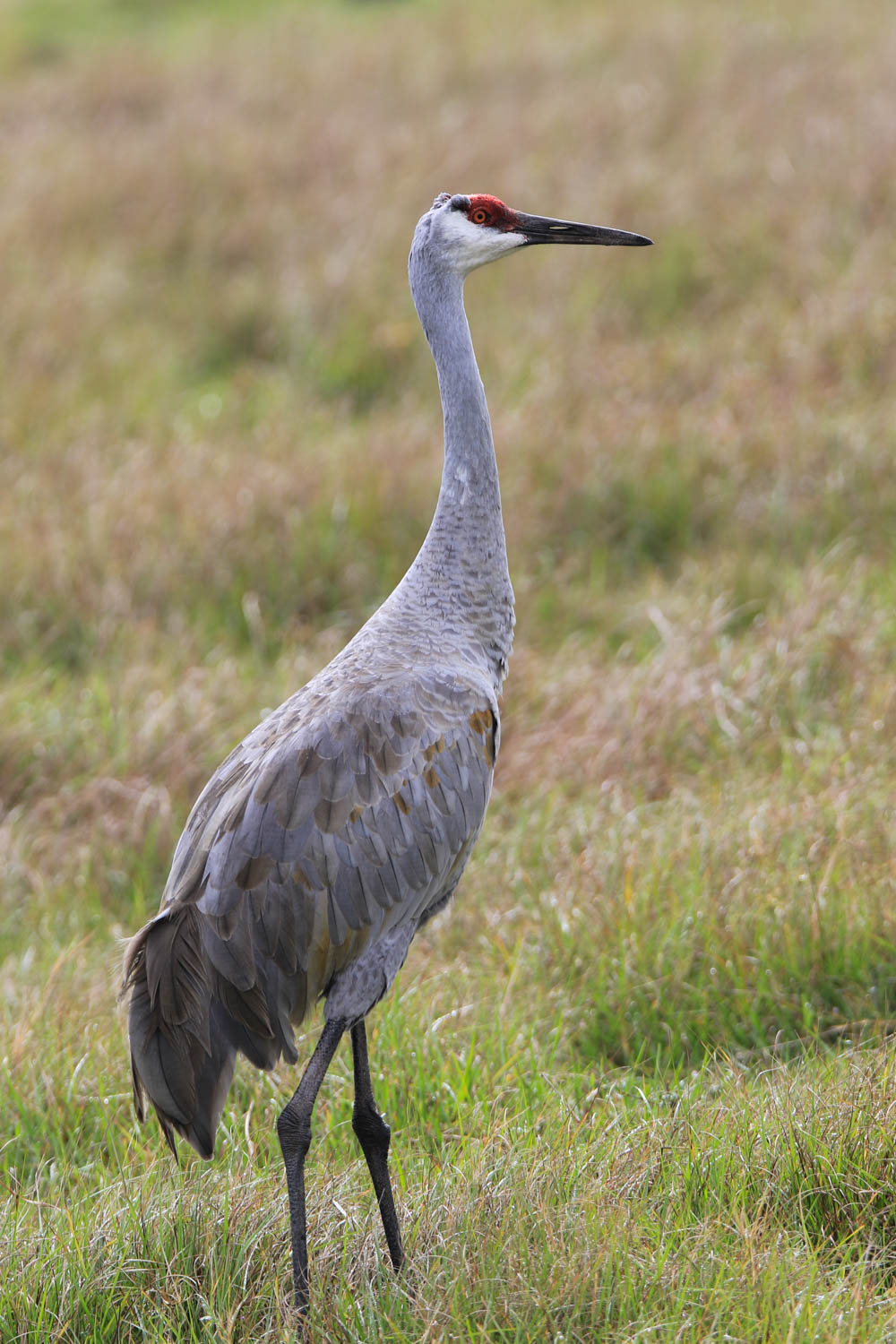
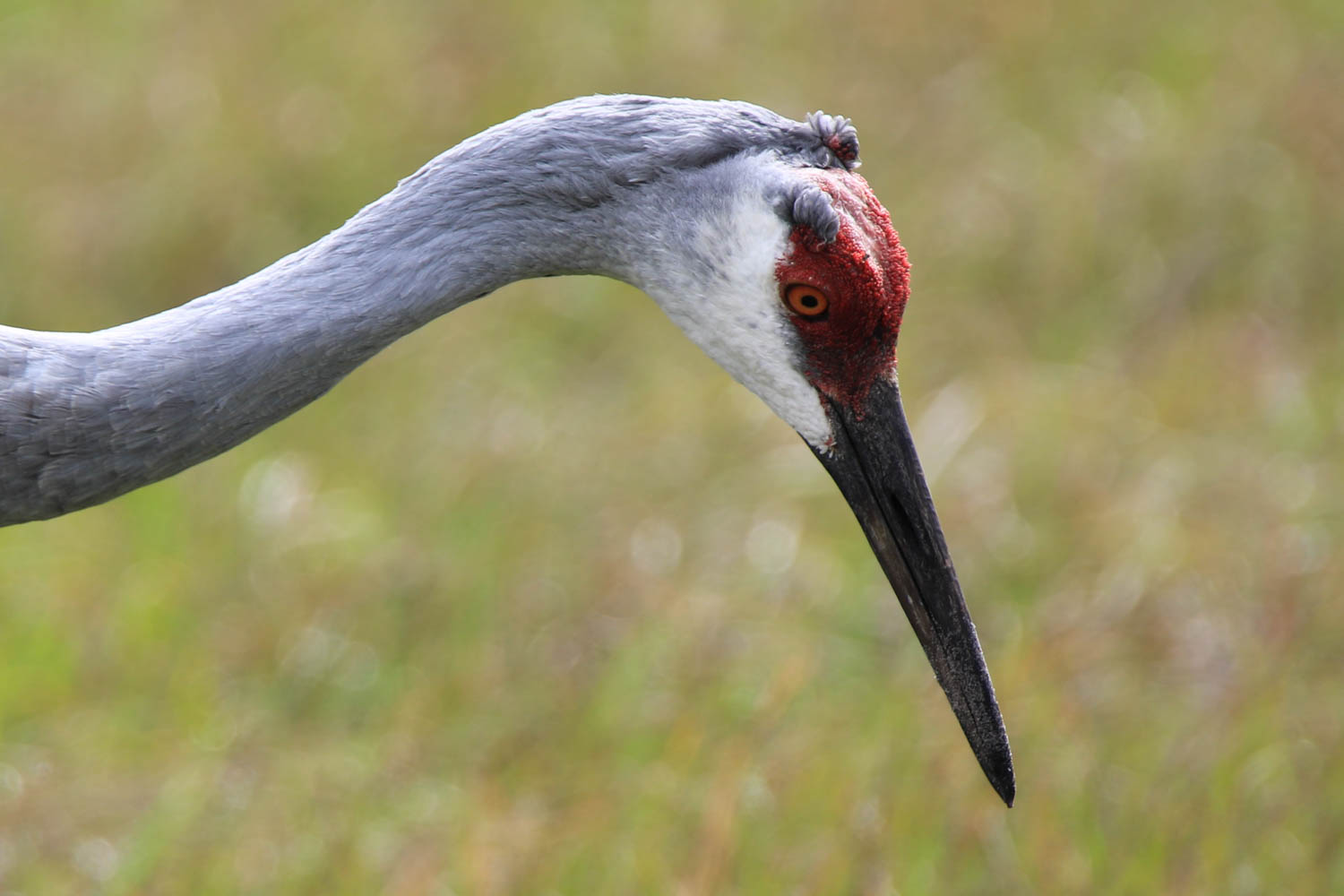
Sandhill Crane:
HM7A7689

HM7A7673

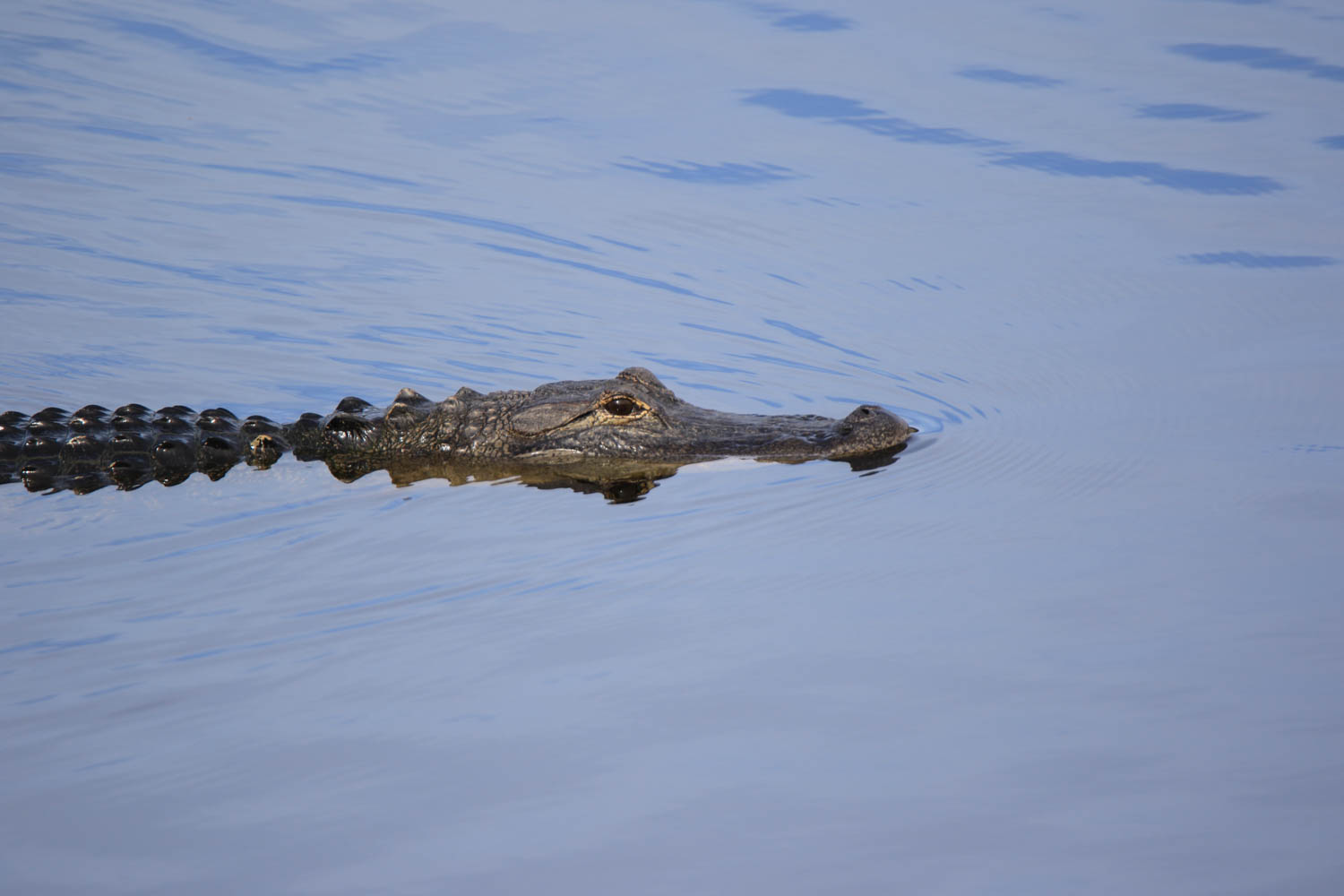
Someone who eats sandhill cranes (if he can get to them):
HM7A8821

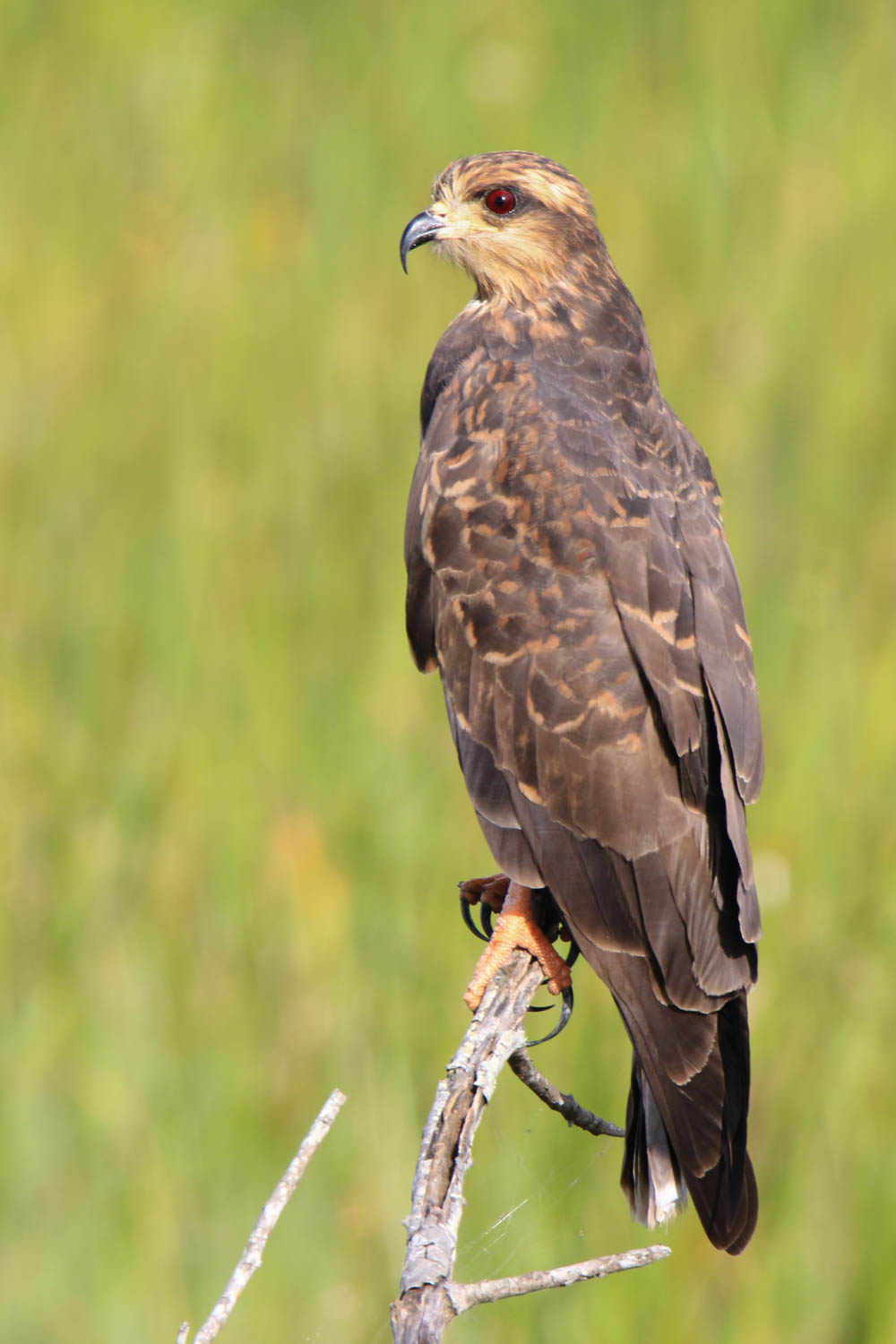
Snail Kite:
HM7A9119

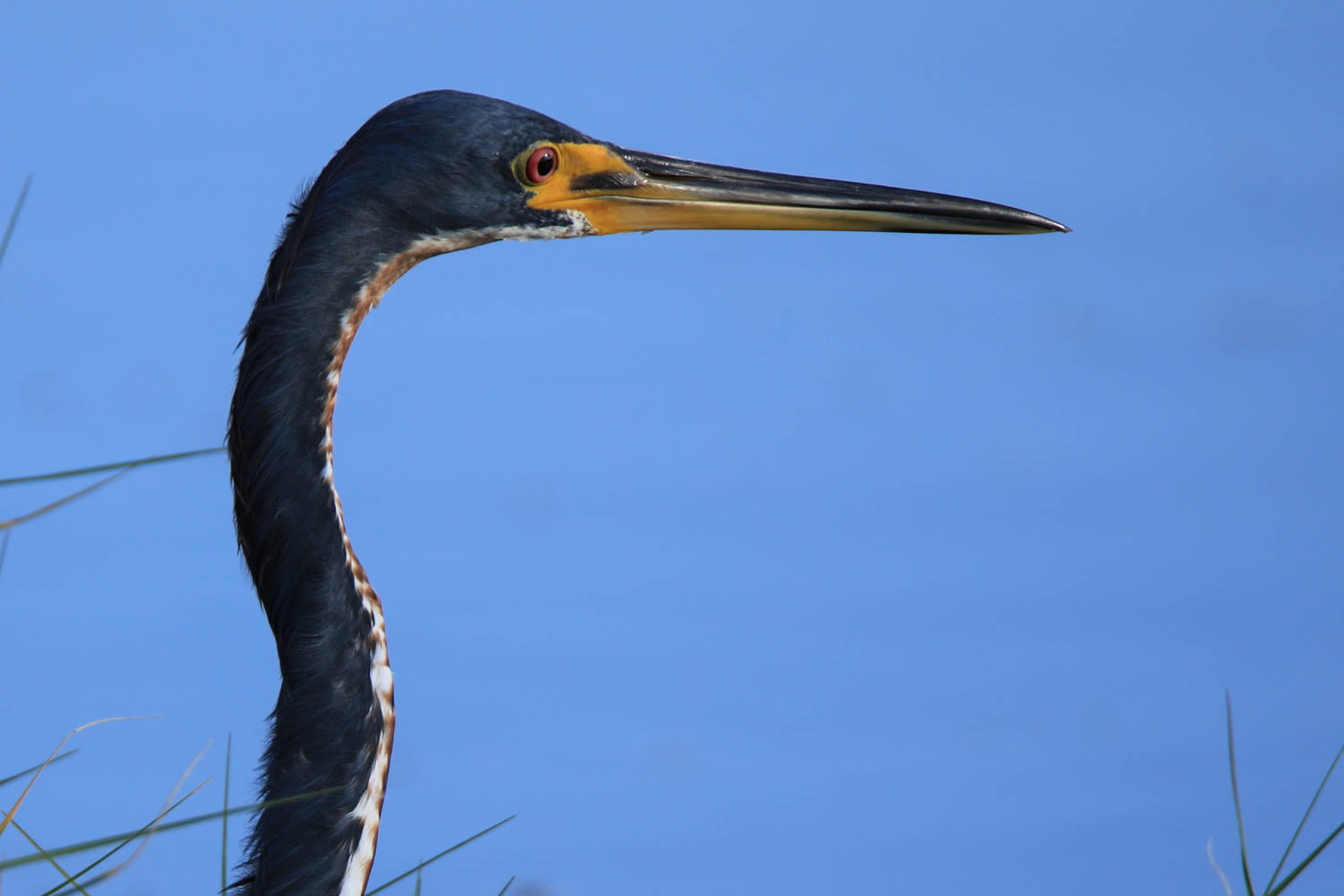
Tricolored Heron:
HM7A7979

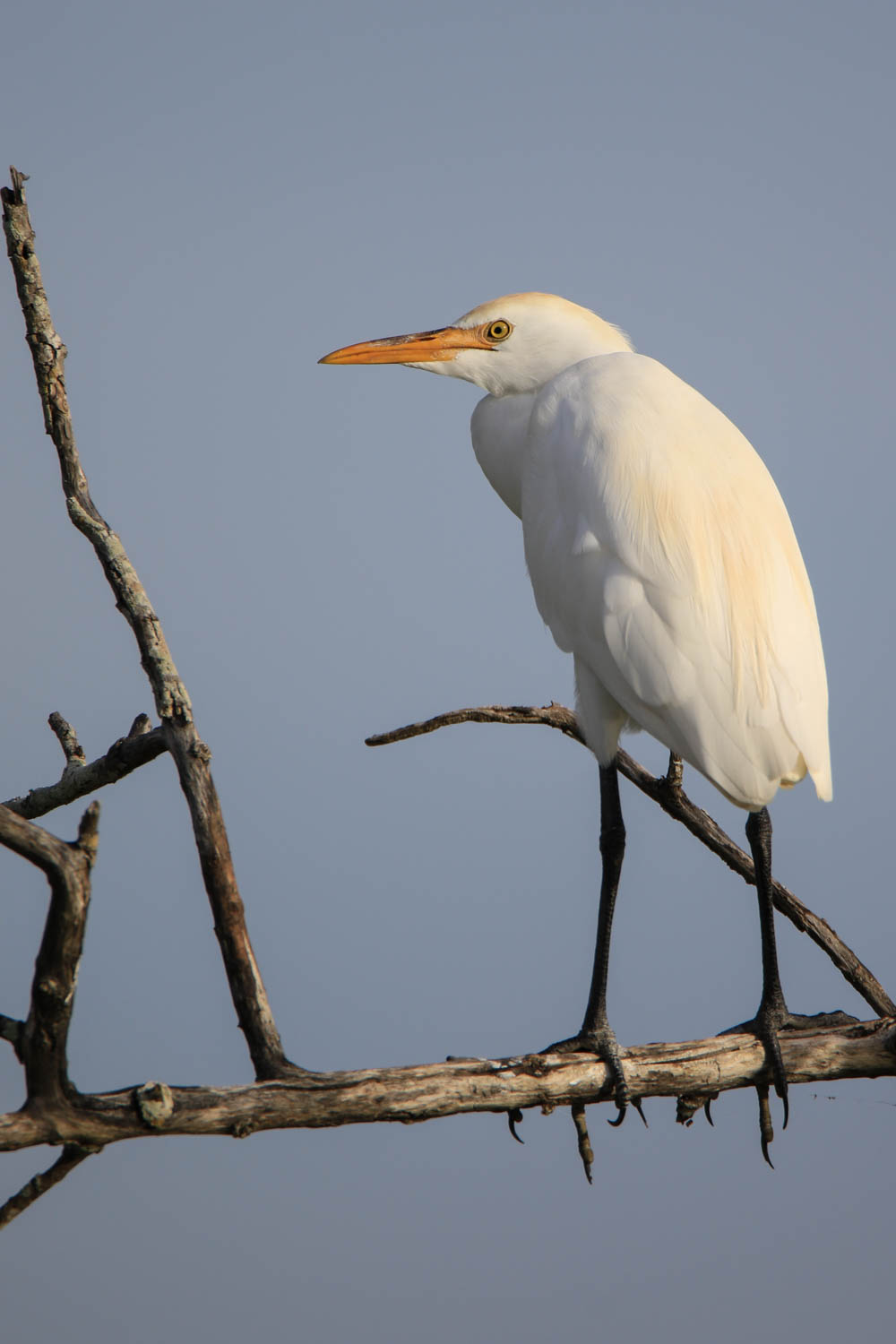
Cattle Egret:
HM7A9395

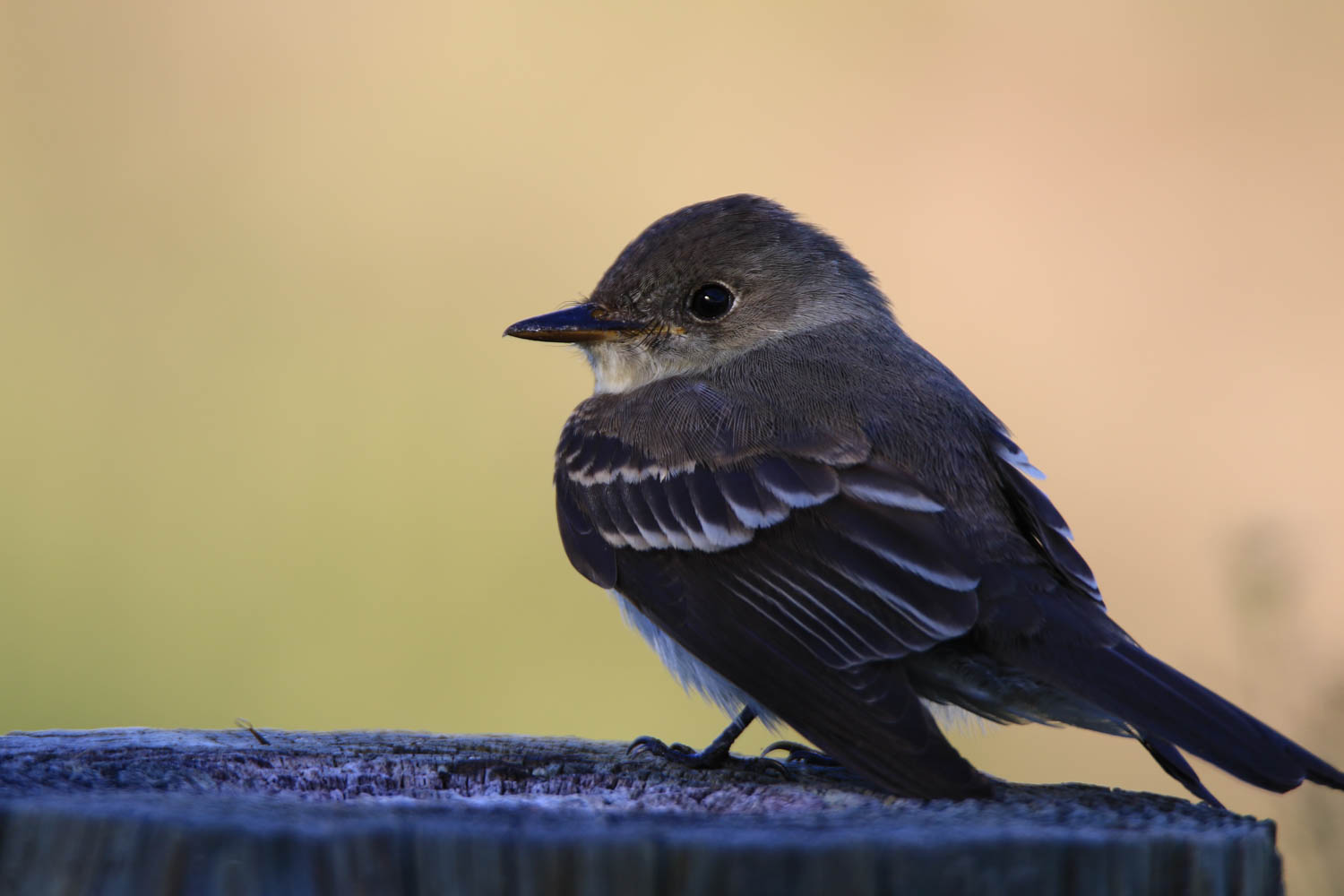
Eastern Phoebe:
HM7A7941

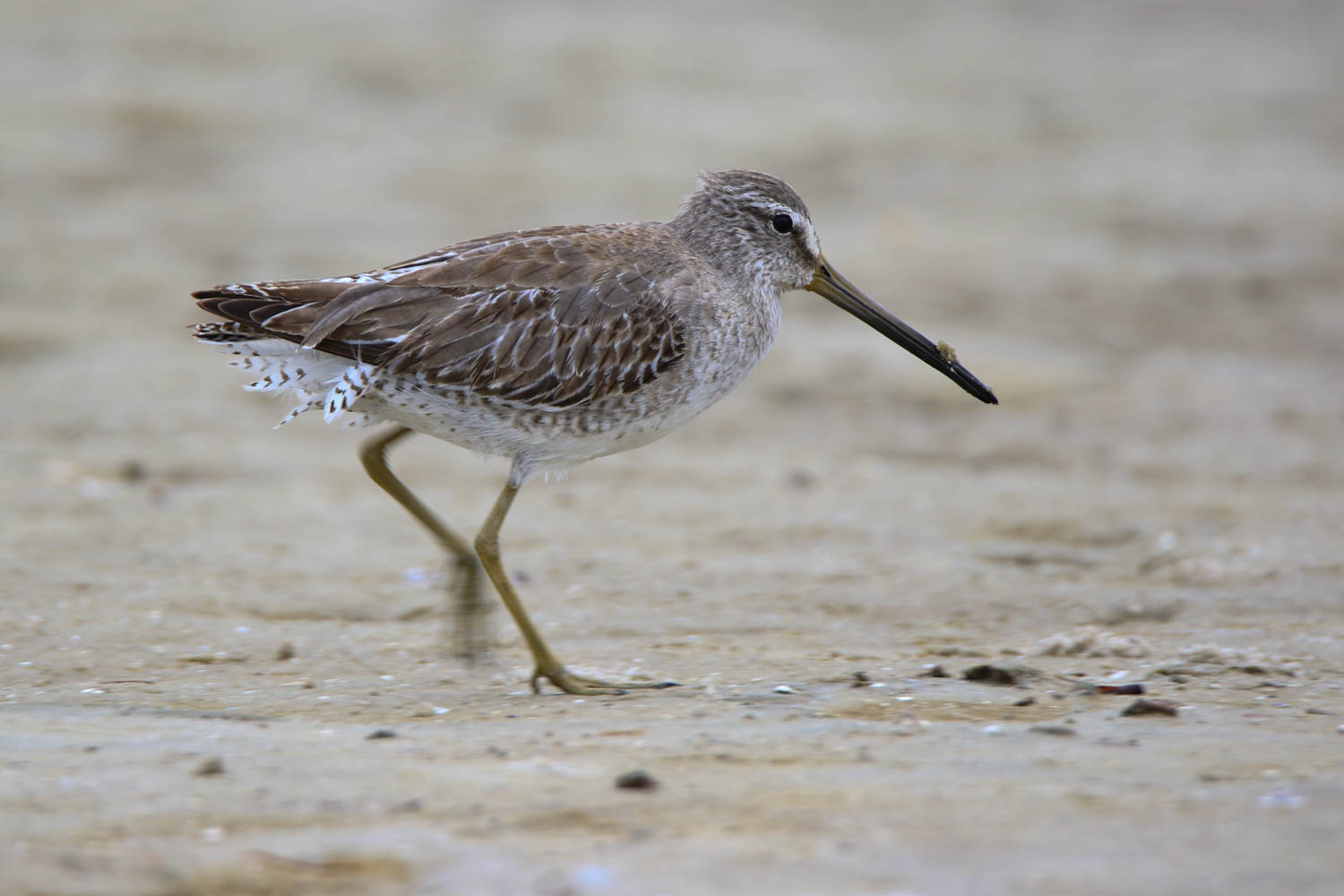
Short-billed Dowitcher:
HM7A9915

HM7A0021 2

HM7A7334

HM7A7636

HM7A8447

Saturday, April 21, 2018

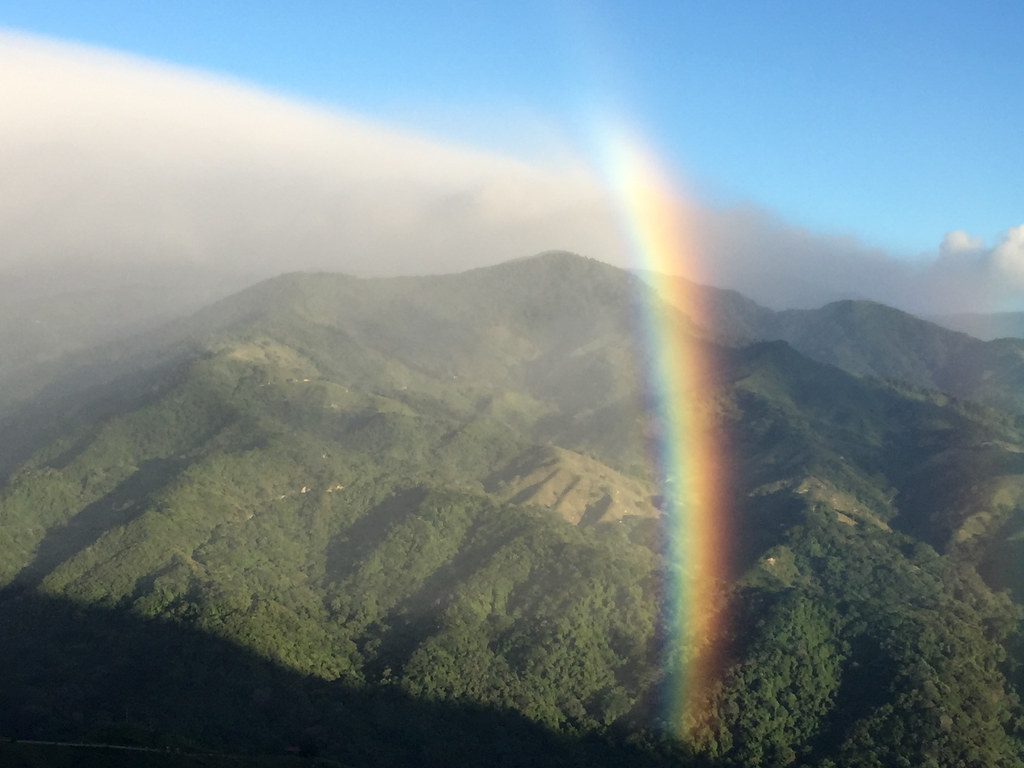
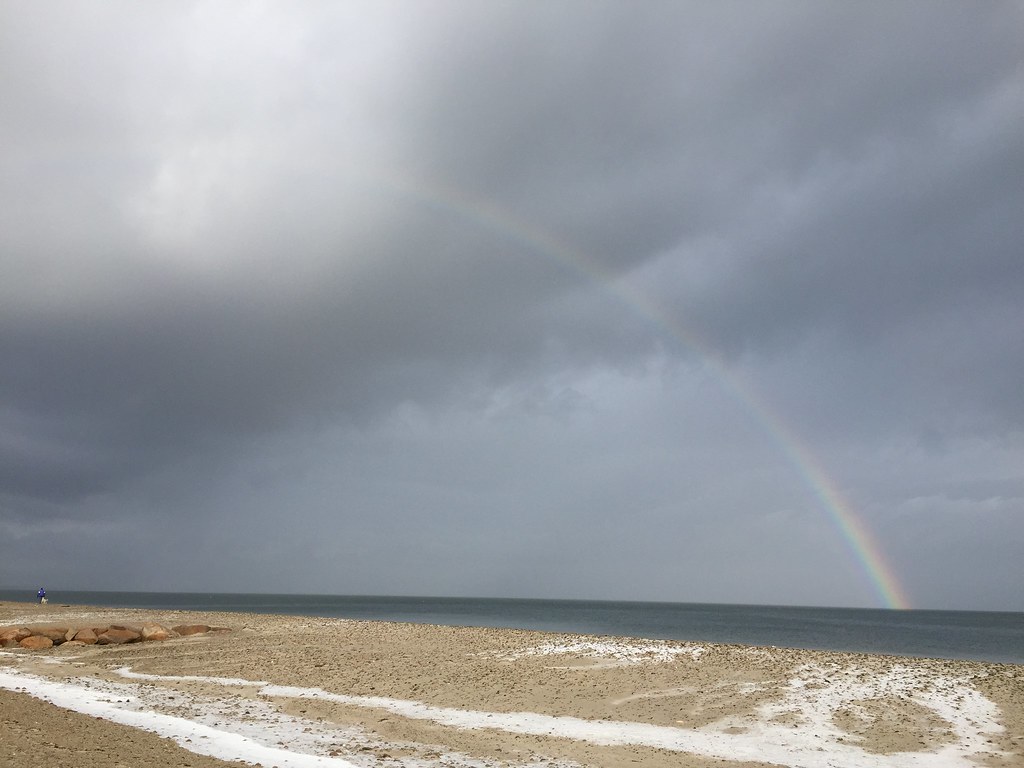
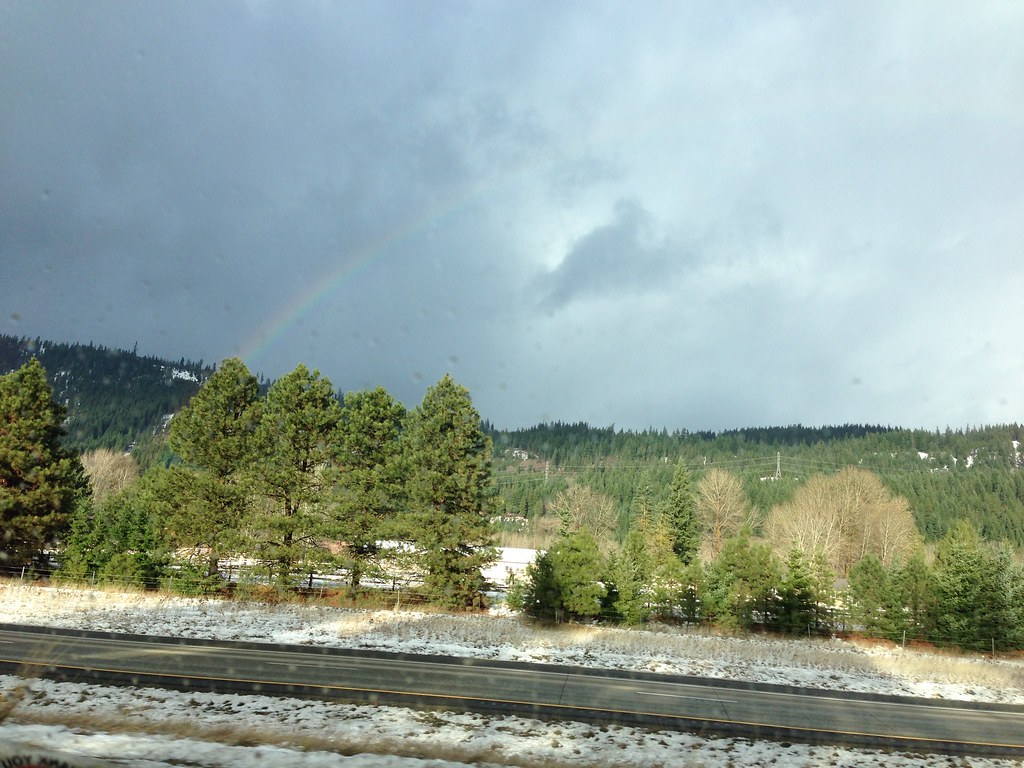
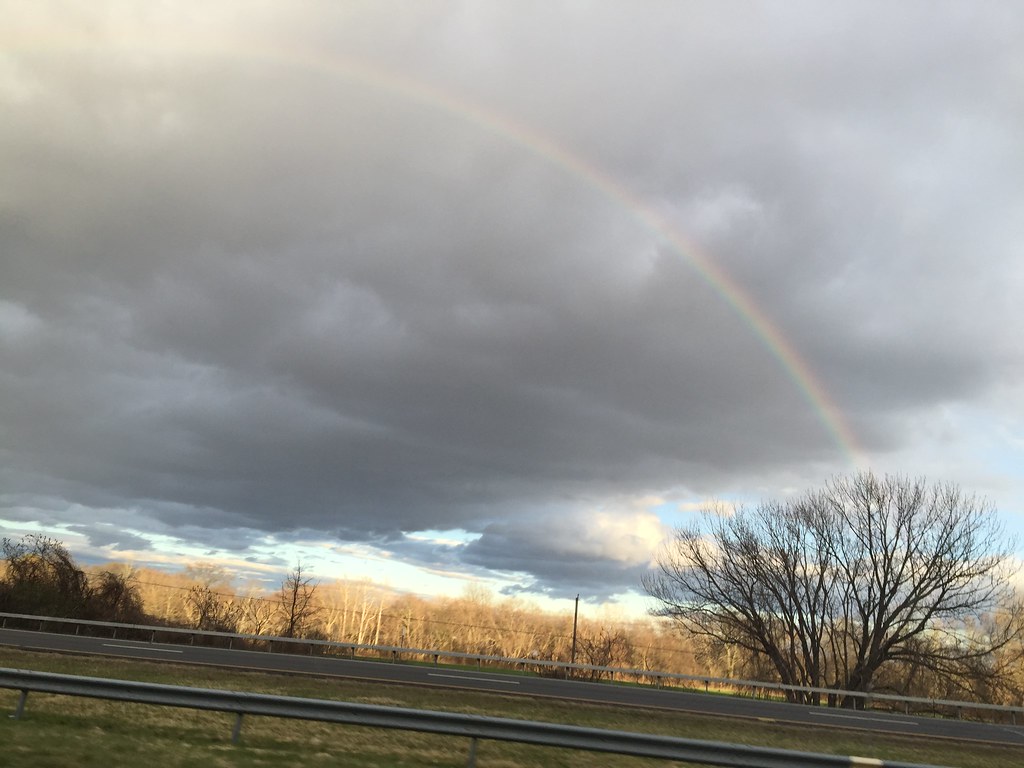
Rainbows

In Costa Rica's Monteverde cloud forest:

IMG_1653 Costa Rica

Cape Cod:
IMG_0087 Cape Cod

Washington State, Cascade Mountains:
photo 36 Cascades

New York State, Catskills:
IMG_2453 NYState

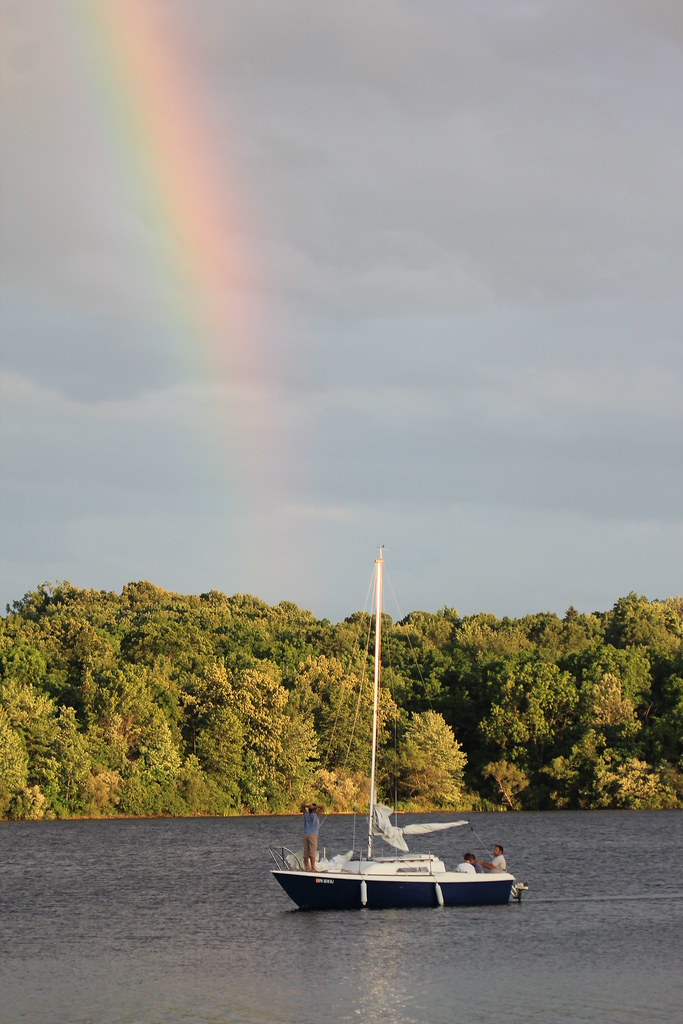
Lake Nockamixon, Pennsylvania:
8049032058_1b27cf1f12_o

... and this is the reflection of the same rainbow in the lake:
8049021961_10645619f7_o

Friday, March 30, 2018

Goatsuckers

Hundreds of years ago, when people came across weirdly patterned and shaped birds in the forest, they were at a loss to imagine what they were and how they got their food. After all, they slept all day and no one ever saw them hunt. So the only conjecture they could make was that - of course! - they must've been sucking blood from goats in the night. Hence, they collectively became known as Goatsuckers.

Today, we know that they feed by hunting insects in the night, and their collective name is Nightjars (sometimes nighthawks).

Few people see them perching. I came across this Common Nighthawk in my trip through Oregon. There was a campground full of them. I first noticed suspicious rocks lying on the road alongside it, and turned around to see them flying up. That led me to the campground where most of them roosted.
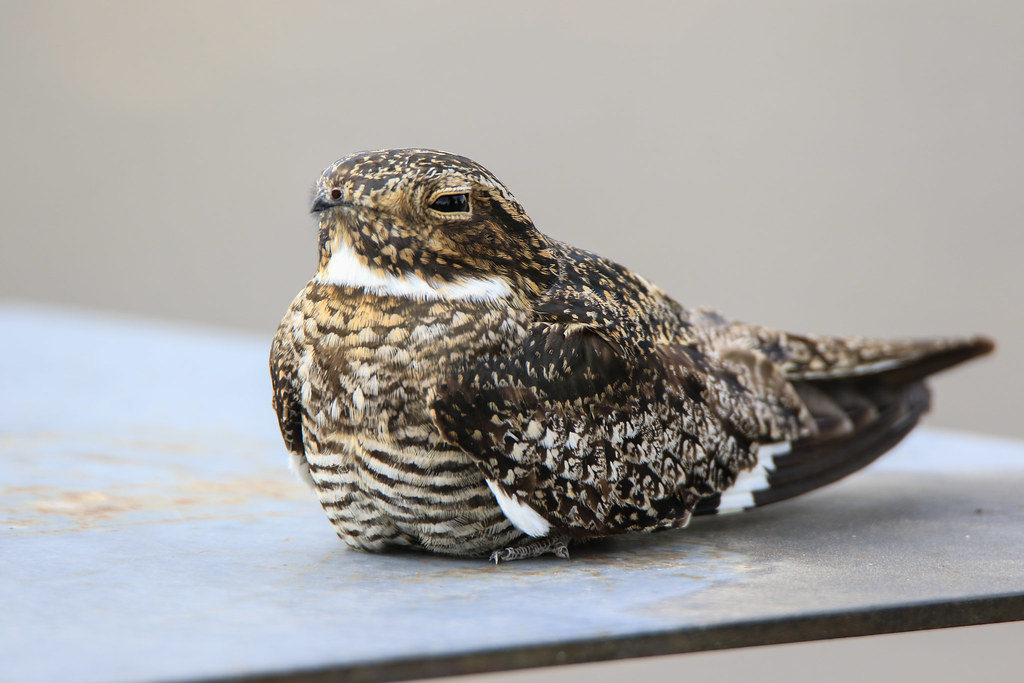
Common Nighthawk

This is the typical view of a nighthawk. The horizontal strips across the wings are a field mark for them:
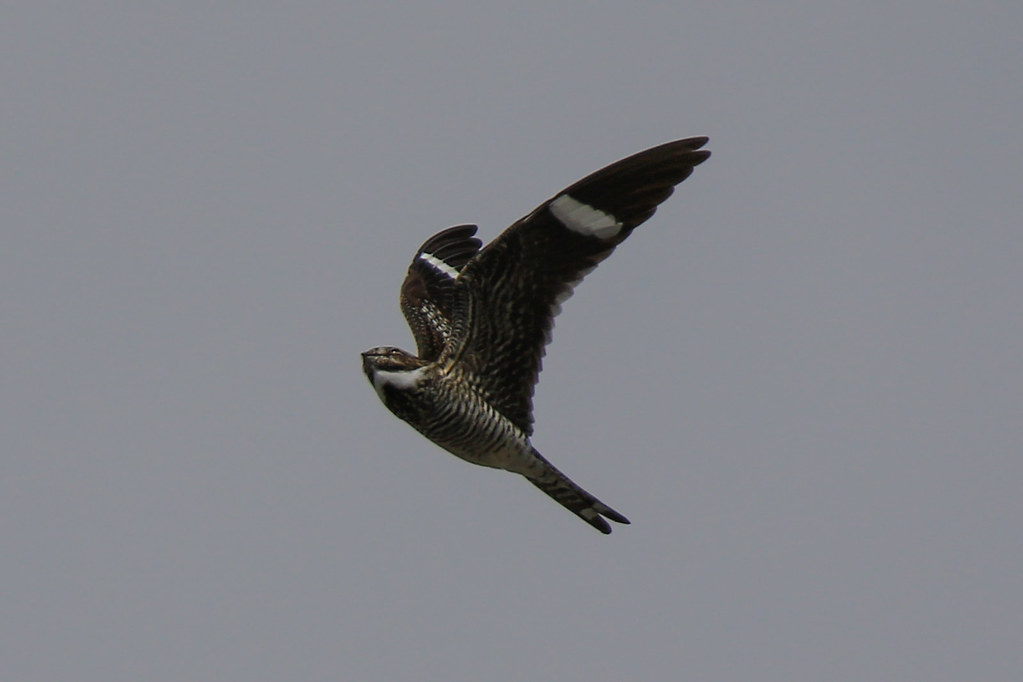
Common Nighthawk (in flight)

Common Paraque, a nightjar from Central America and south Texas (which is where we got it):
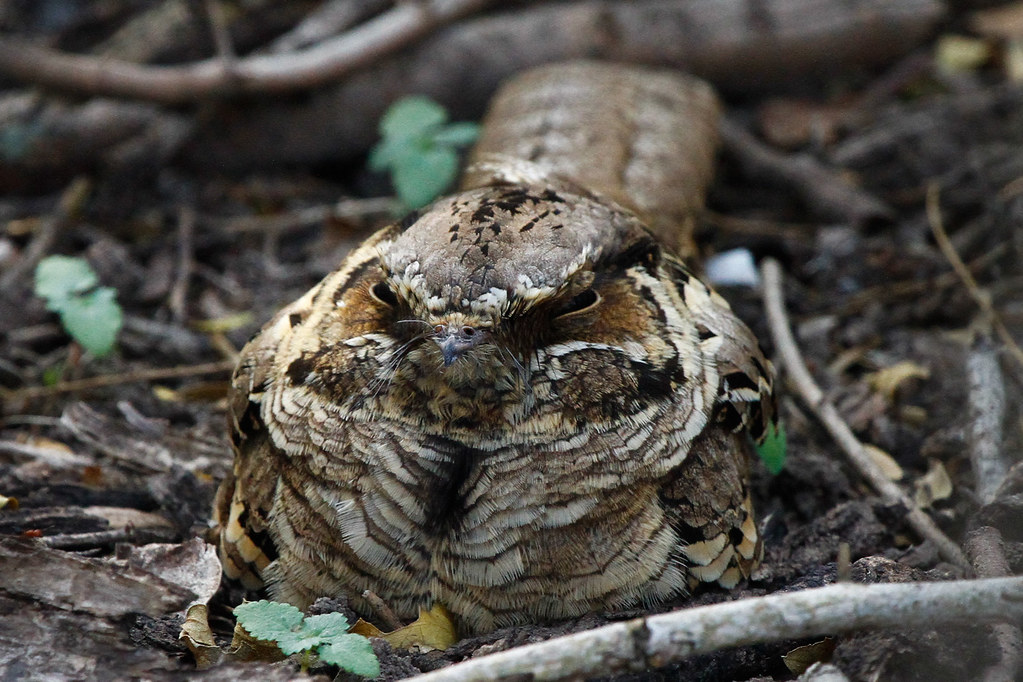
Common Pauraque

One of the smallest nightjars, called a Common Poorwill. The name derives from the sound that it makes. This one was on a remote road in the mountains of southern Arizona. The head is so big to accommodate its eyes. Just like an owl, it has to be able to see the smallest things moving around at night:
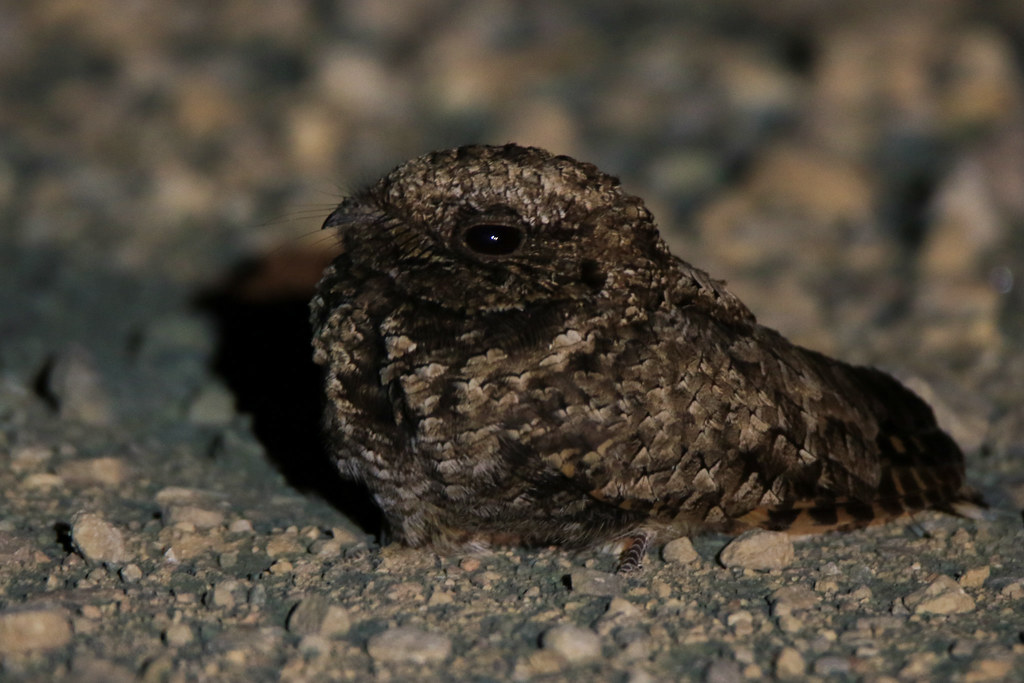
Common Poorwill

This is the one that started them all - the original Nightjar from Europe. I came across it purely by chance in Italy. You can see how they evolved to mask themselves as a stubby tree branch during the day:
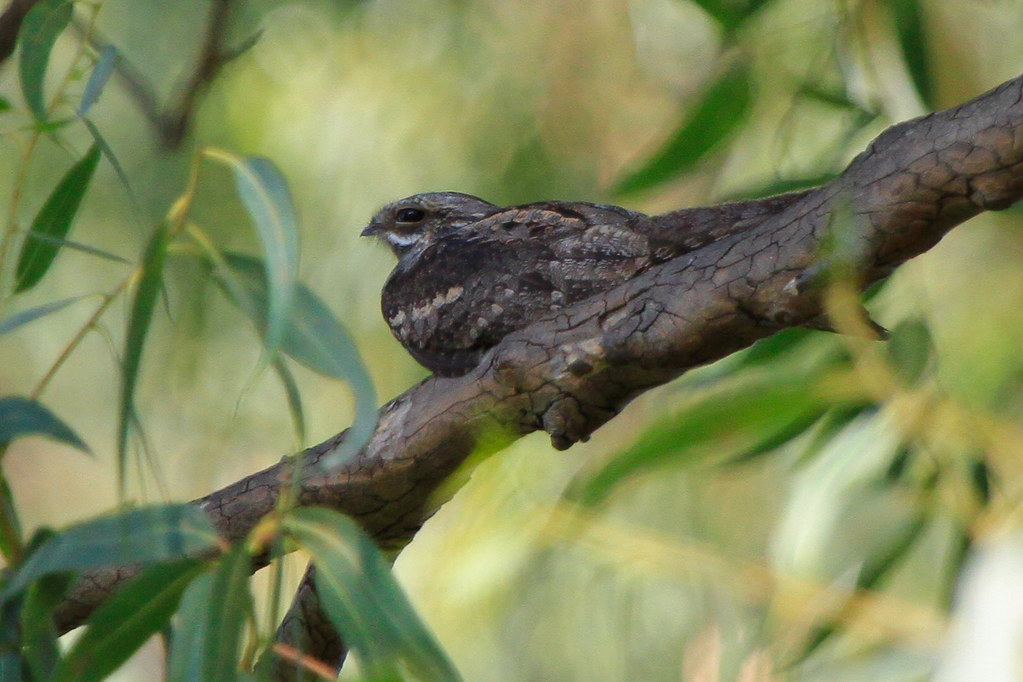
European Nightjar (Italy)

Another Common Nighthawk, also found by chance, but in a very public place - path to a Sandy Hook beach:
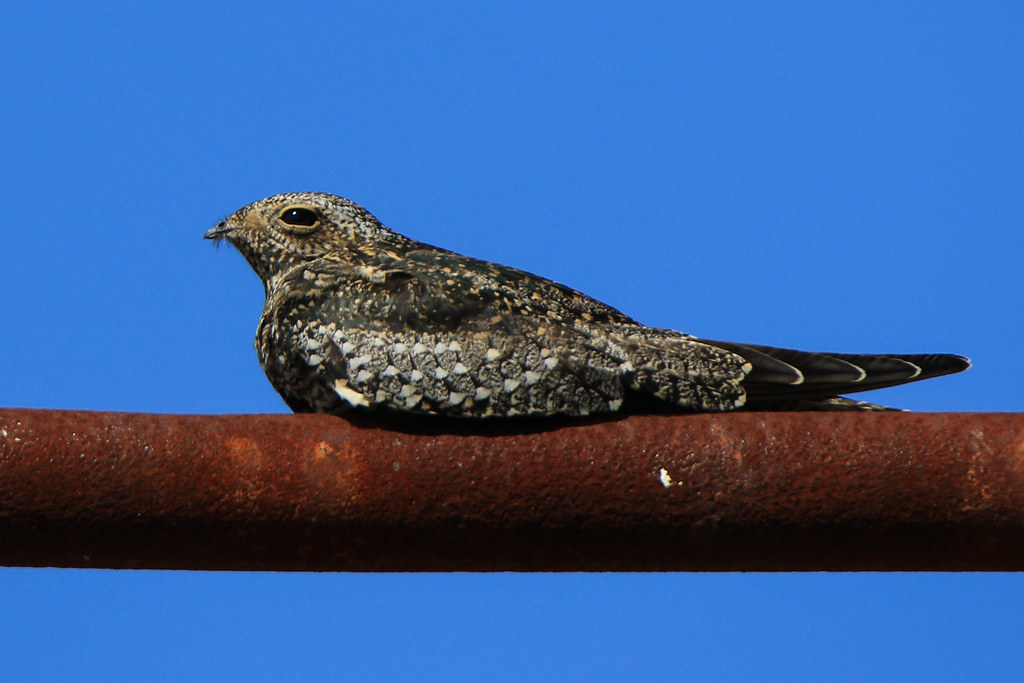
Common Nighthawk 2

Their bills are tiny, but their gape actually extends all the way to the eyes, so their mouths can open very wide to get that night insect:
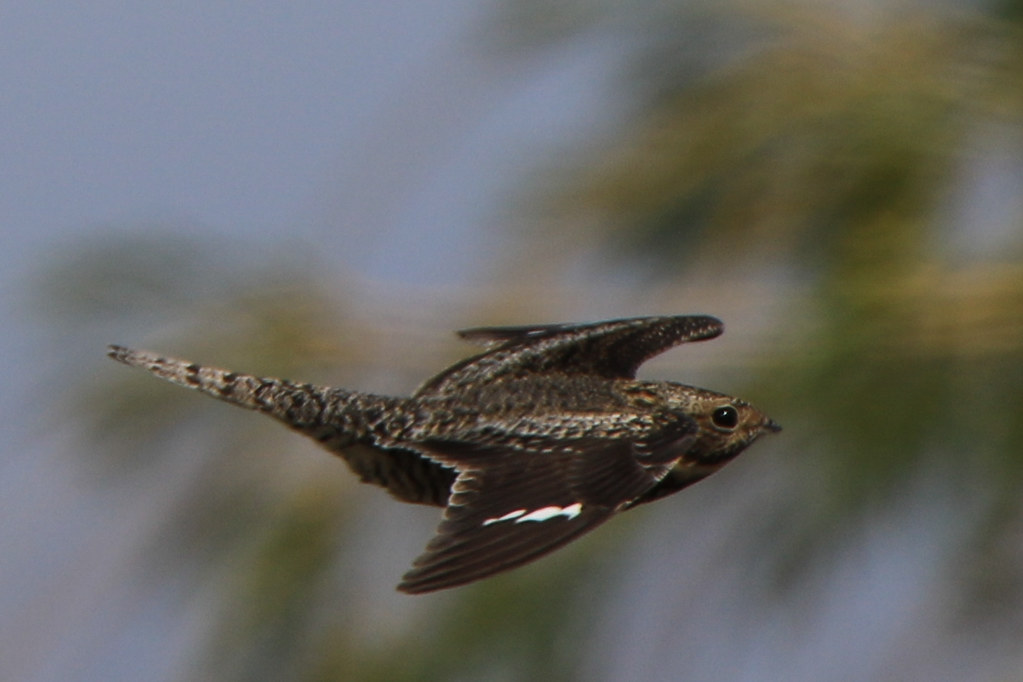
Common Nighthawk (in flight) 2

Another Common Paraque. If you didn't know where to look, you'll never notice it even if it was right next to you. This one was pointed out to us by a park ranger in Texas:
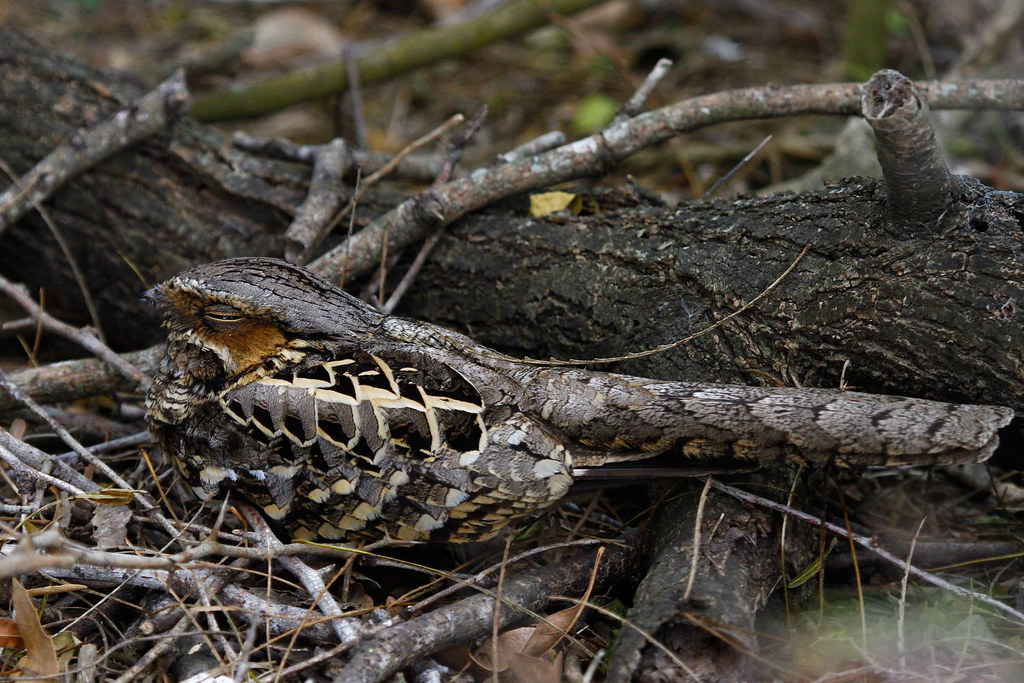
Common Pauraque 2

An active Buff-Bellied Nightjar from southern Arizona:
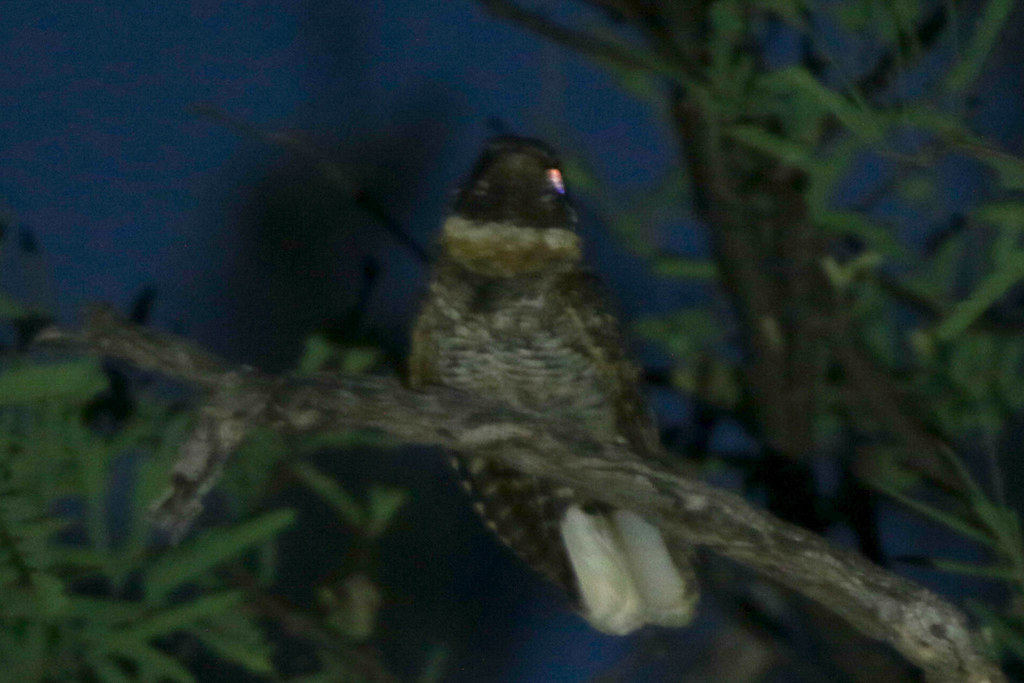
Buff-Bellied Nightjar

Sunday, March 25, 2018

Sandy Hook and Cape May

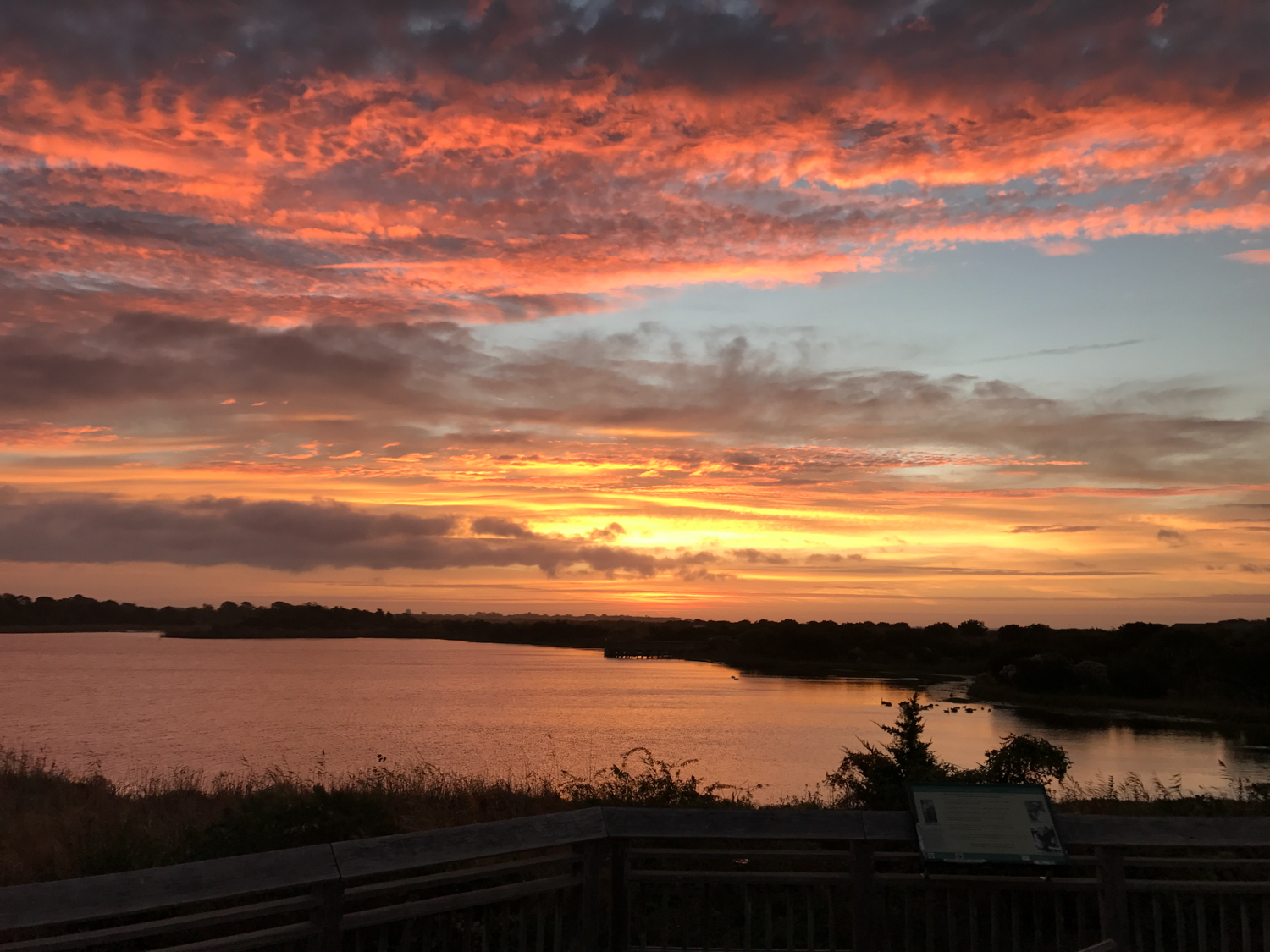
Sunrise in Cape May:
HM7A6912

IMG_9655

IMG_9588

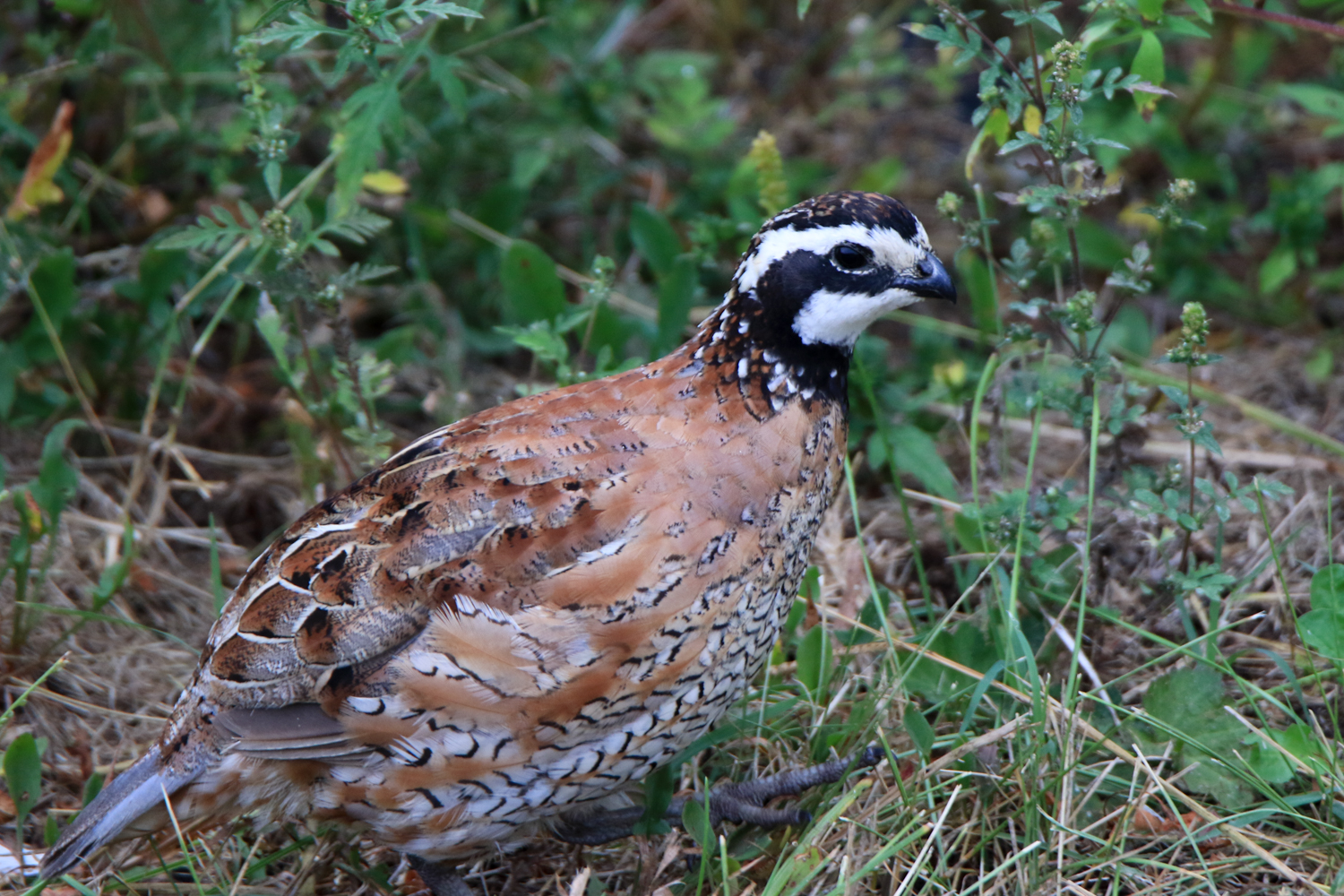
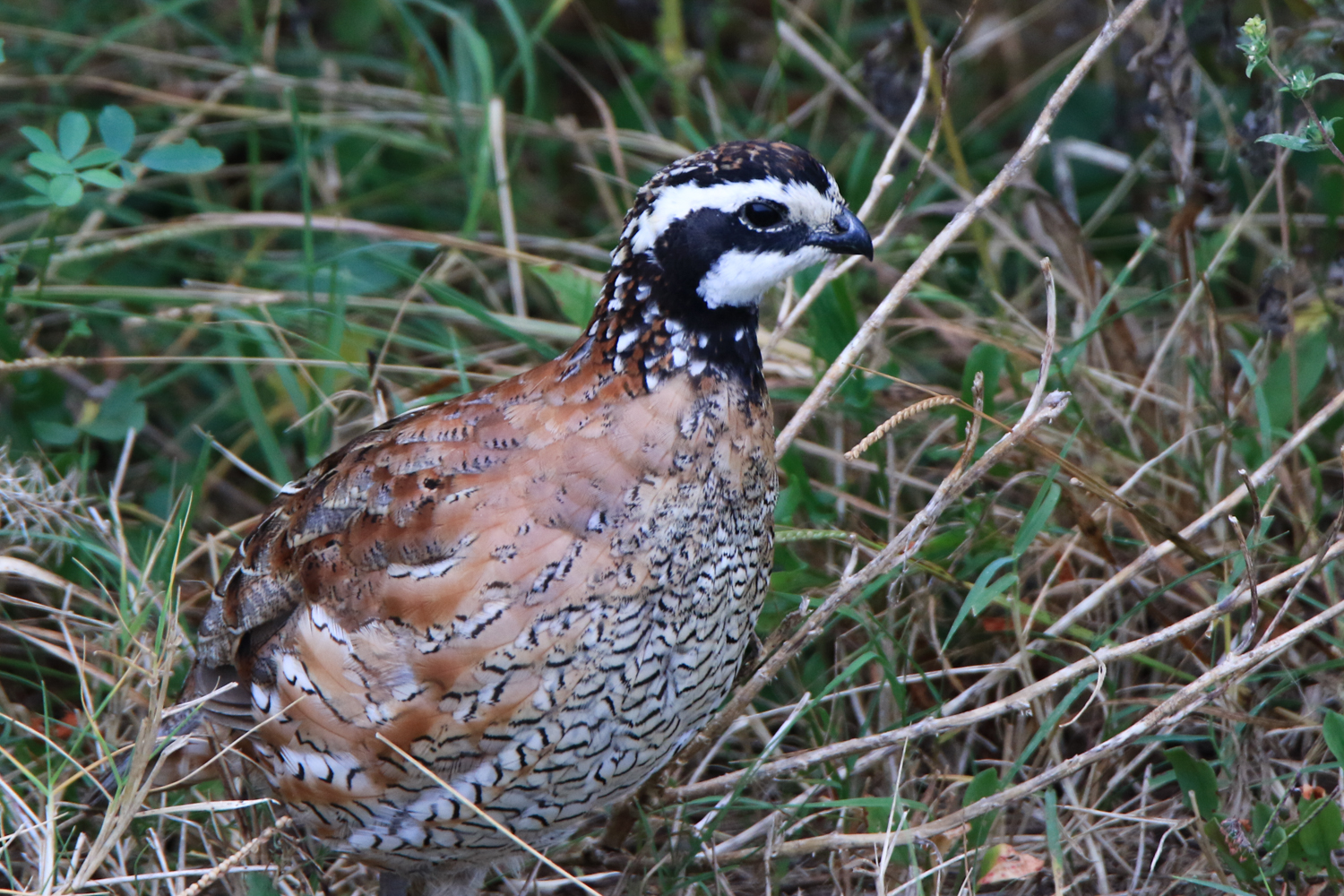
This is Bobbert - a semi-tame Northern Bobwhite (which is a small quail), one of the few released in Cape May recently:
HM7A7102

HM7A7079

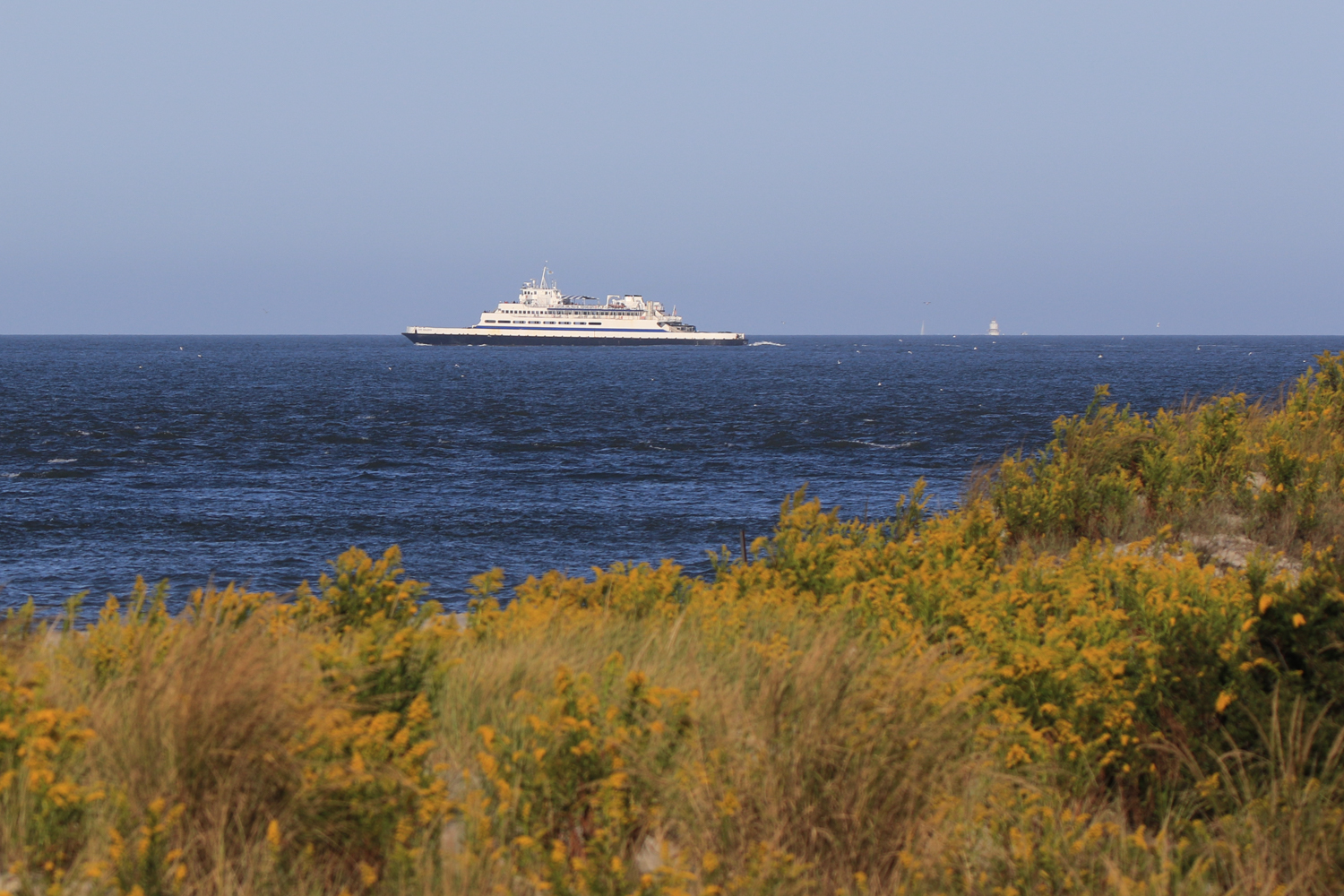
Cape May - Lewes ferry:
HM7A6746

HM7A6764

HM7A6751

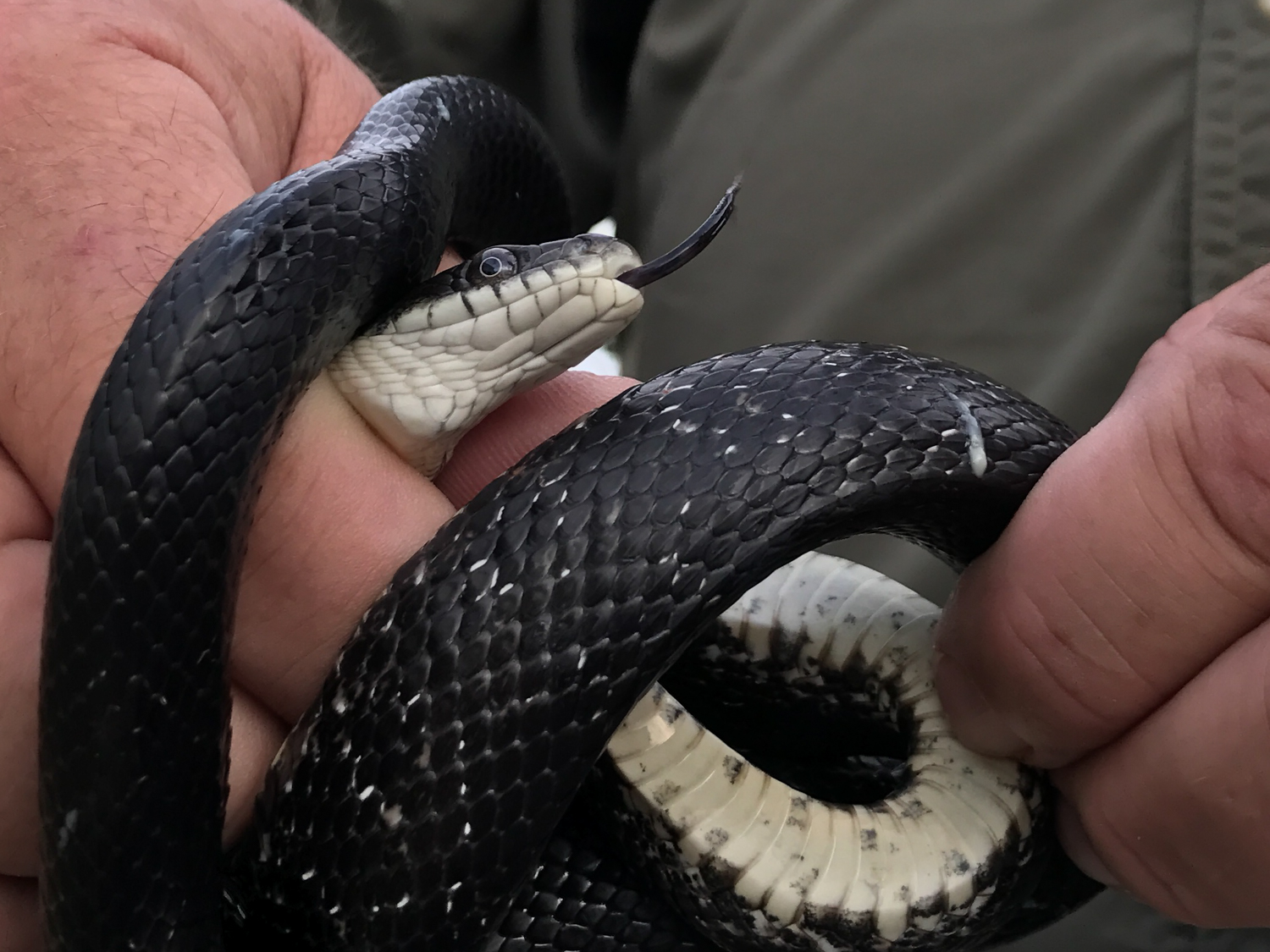
Eastern Rate Snake:
IMG_9687

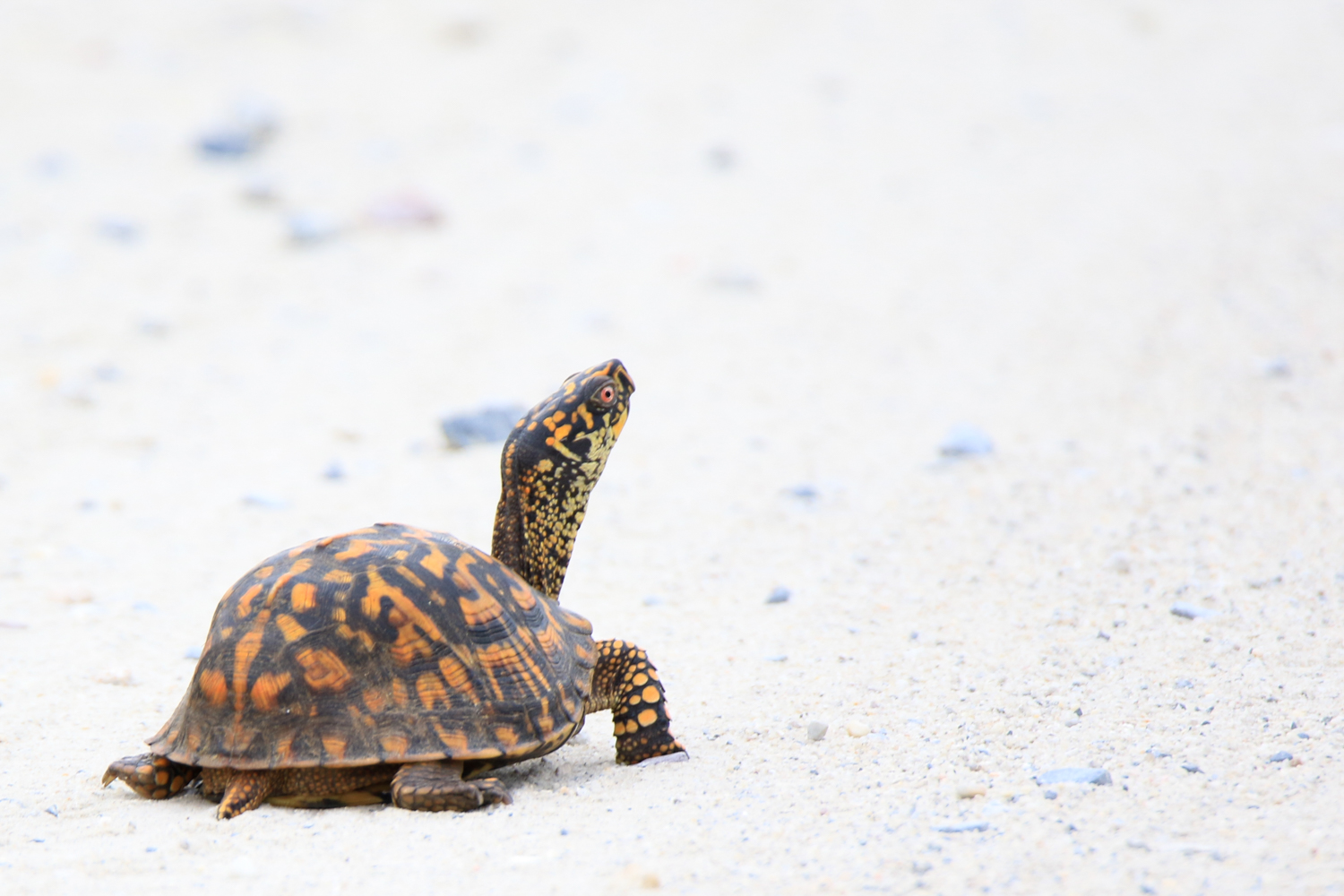
Eastern Box Turtle:
HM7A7197

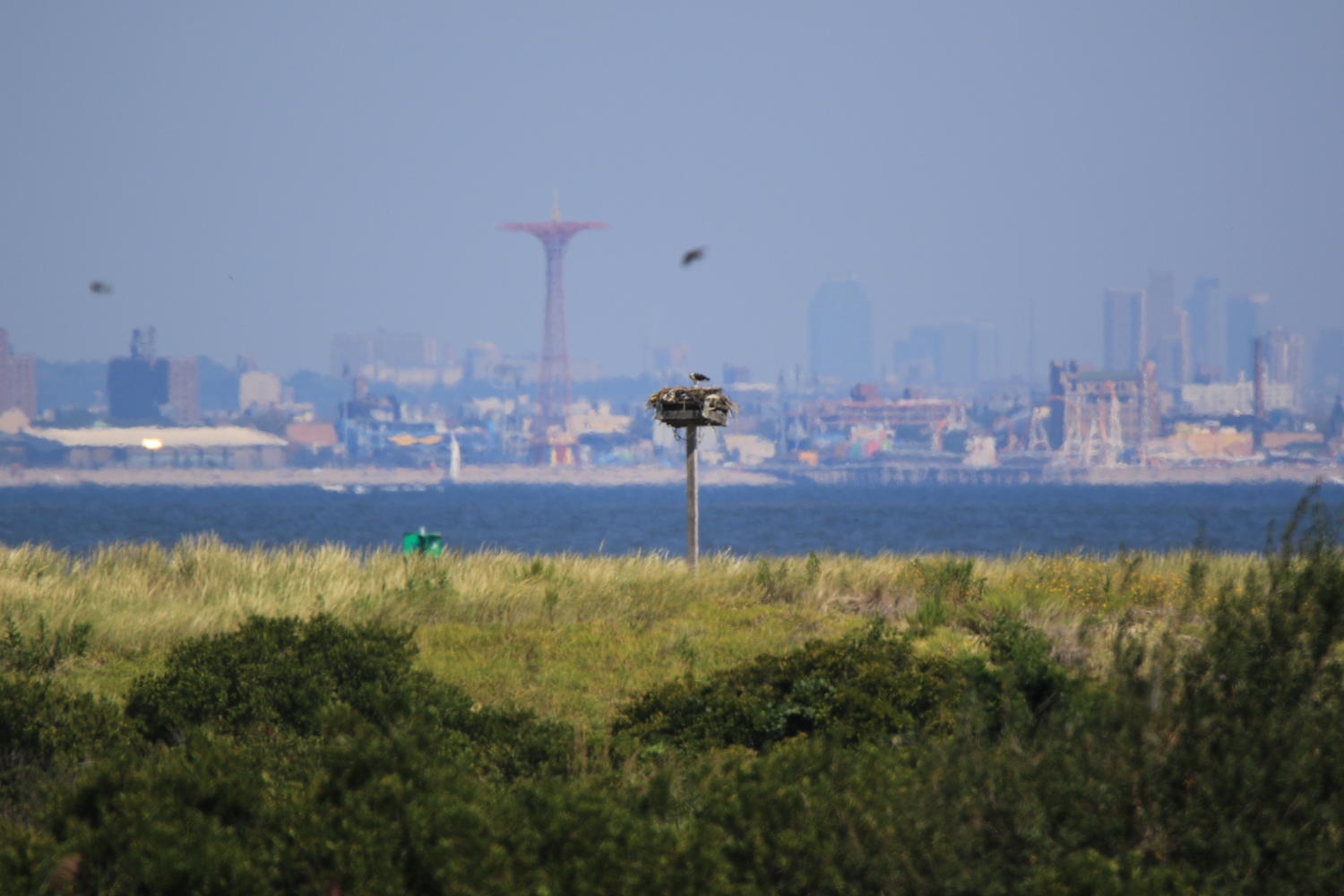
Sandy Hook - view of Coney Island's parachute tower behind an osprey nest (with an osprey on it!)
HM7A4989

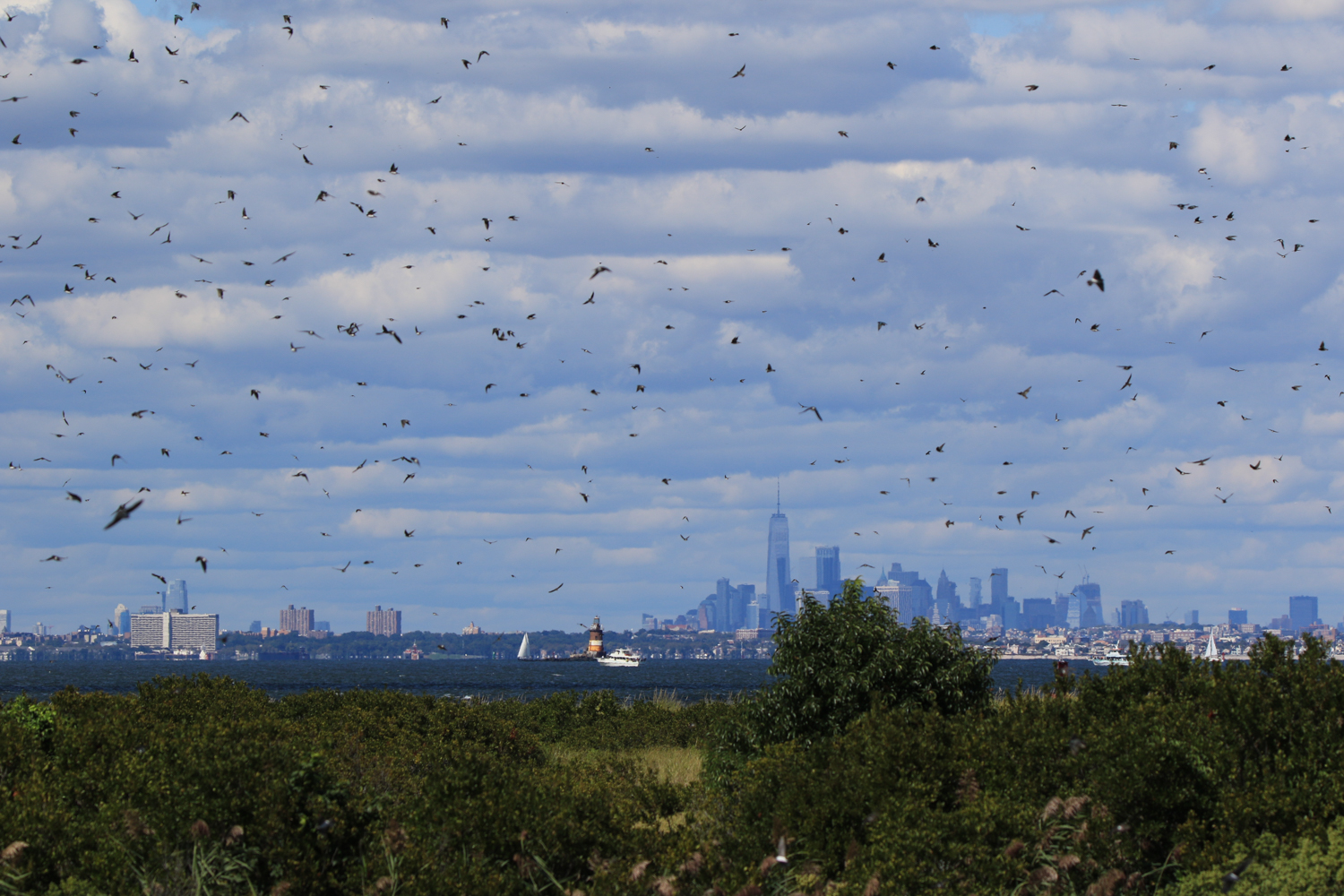
Swallows in Sandy Hook, with Manhattan skyline in the distance:
HM7A5767

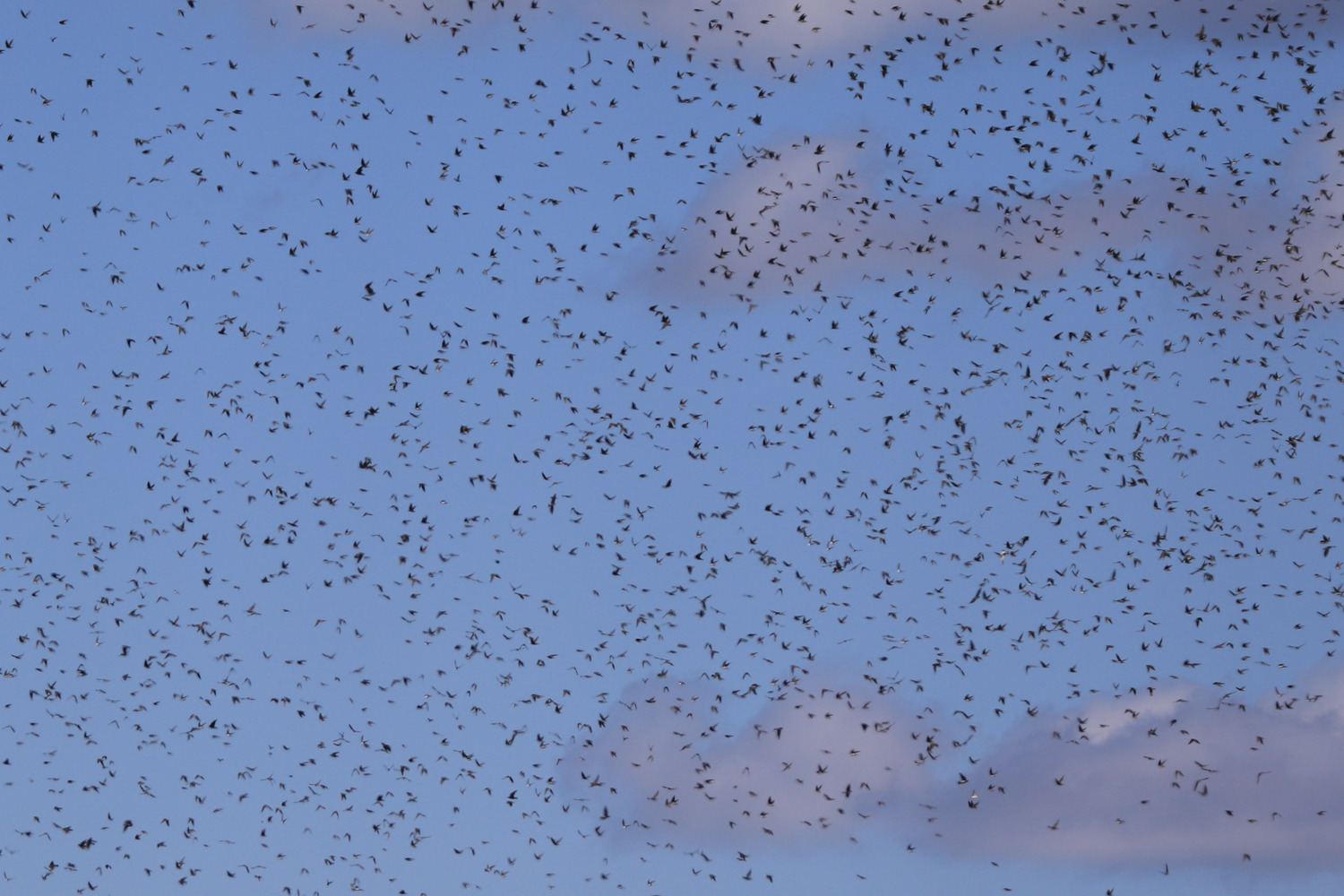
There are thousands of swallows massing in Cape May during the fall migration months:
HM7A5733

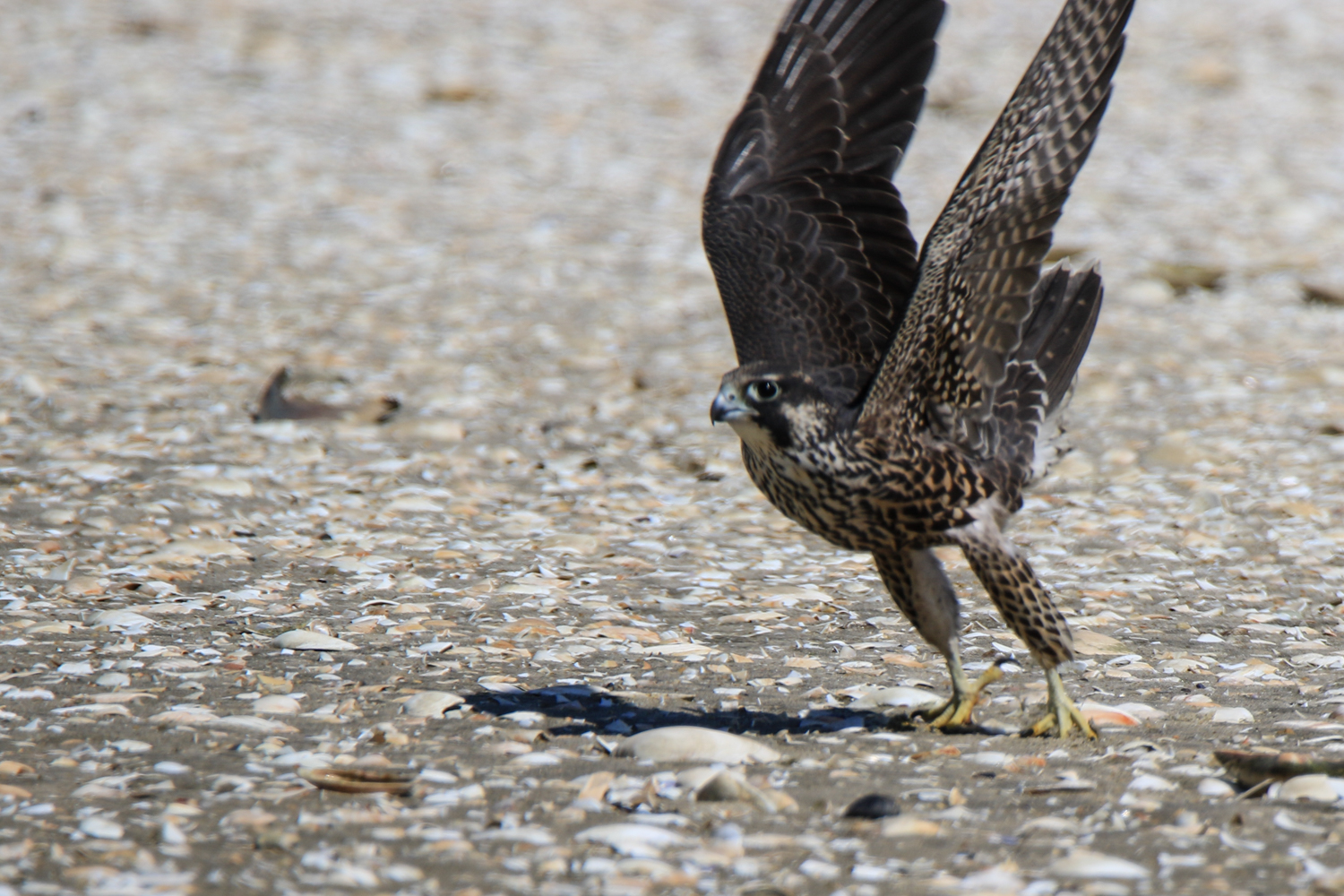
And here is the possible reason the swallows are up in the air - a Peregrine Falcon. Peregrines follow migrating birds (their food) and migrate south with them.
HM7A5181

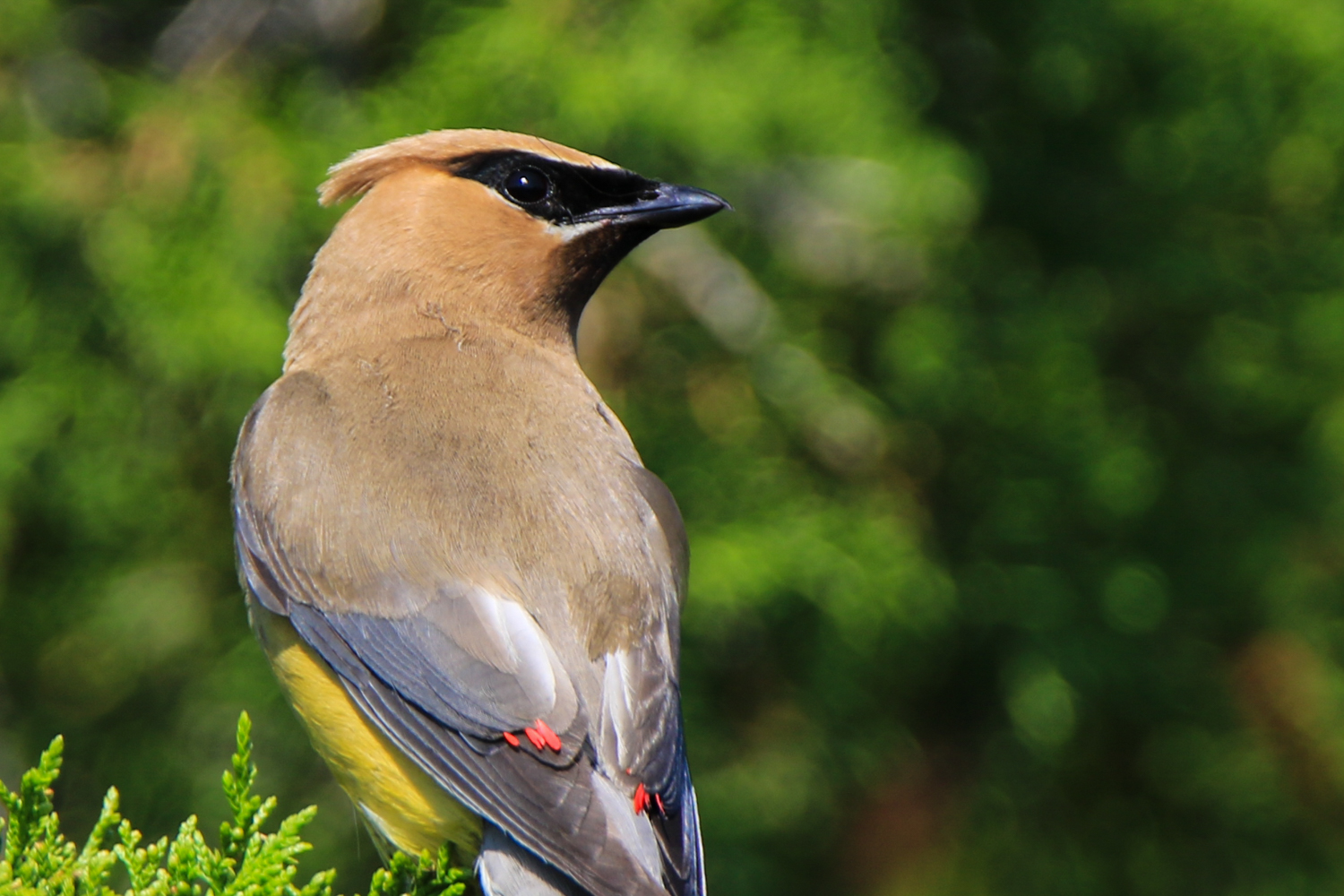
Cedar Waxwing:
HM7A6213

HM7A5051

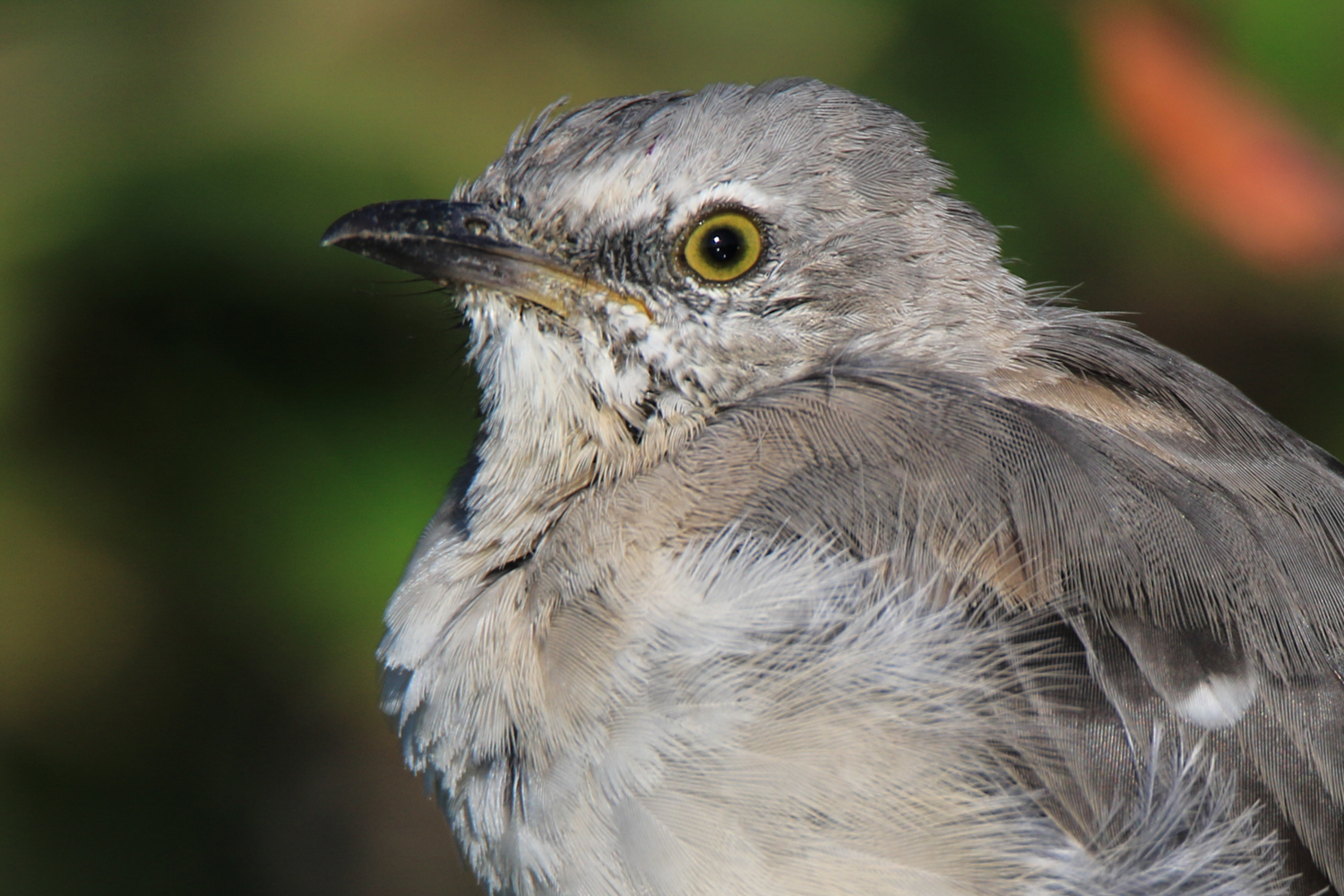
Young Northern Mockingbird:
HM7A5212

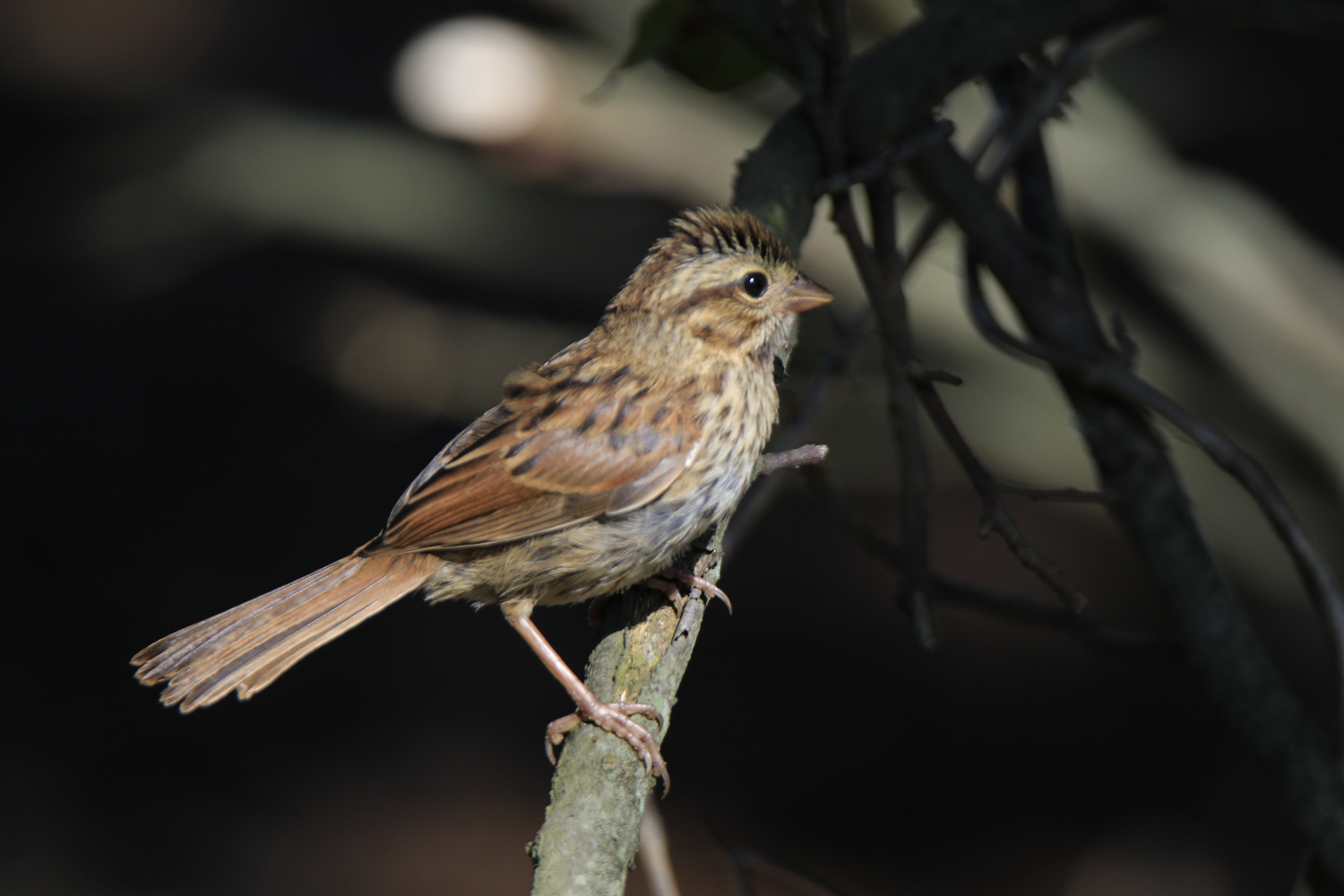
Young Song Sparrow:
HM7A4969

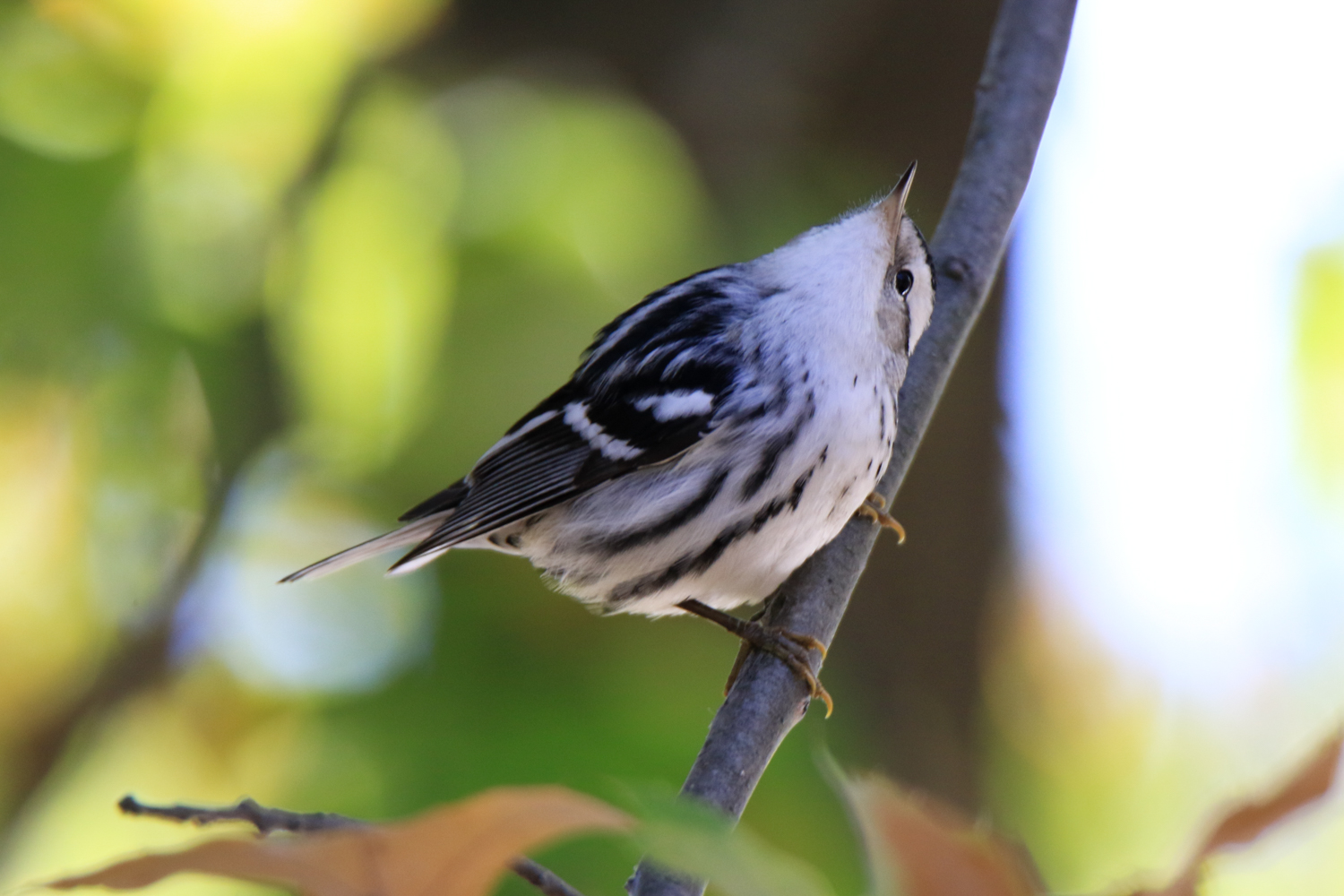
Black-and-White Warbler:
HM7A6467

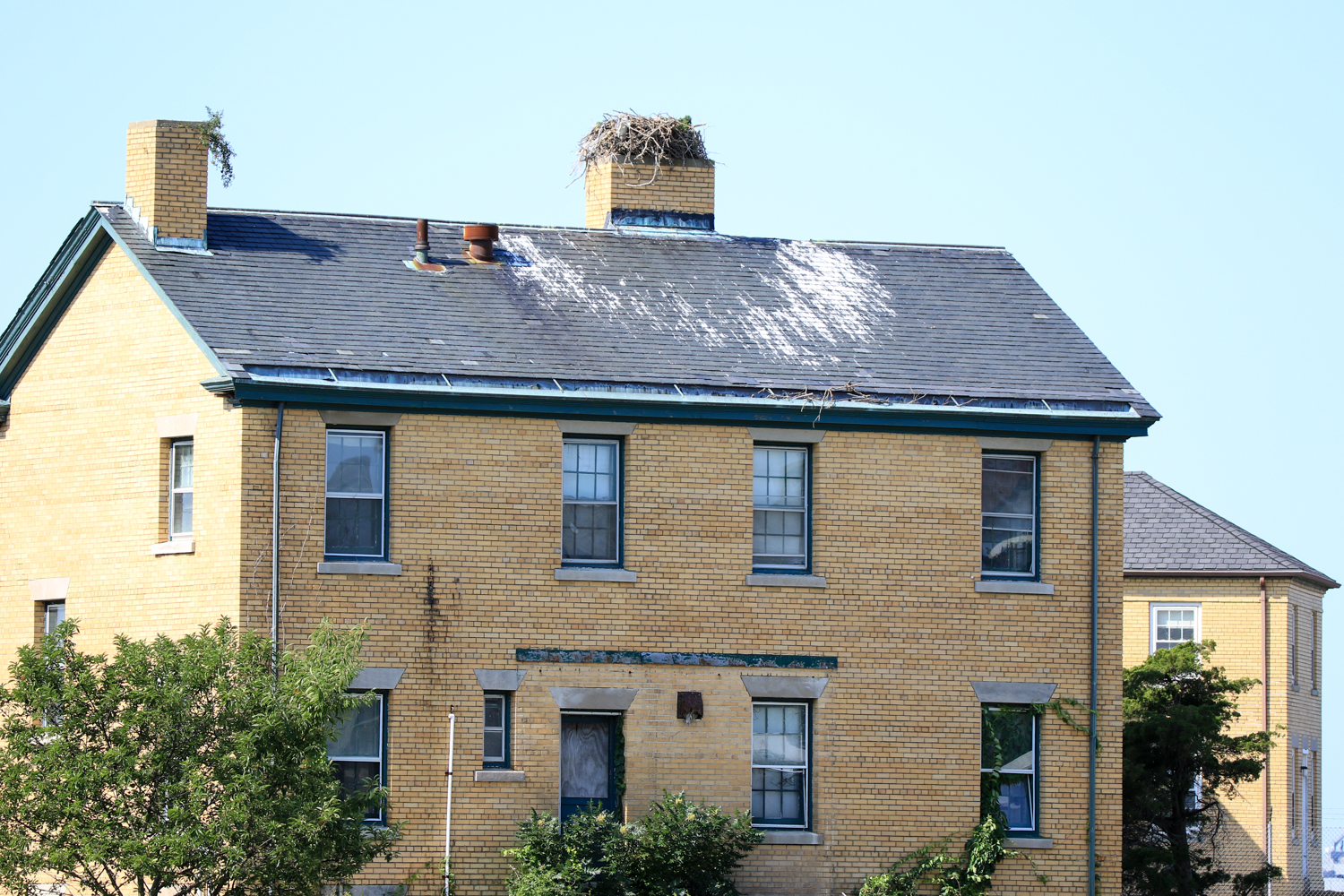
An osprey nest on top of an old Fort Hancock building in Sandy Hook:
HM7A6165