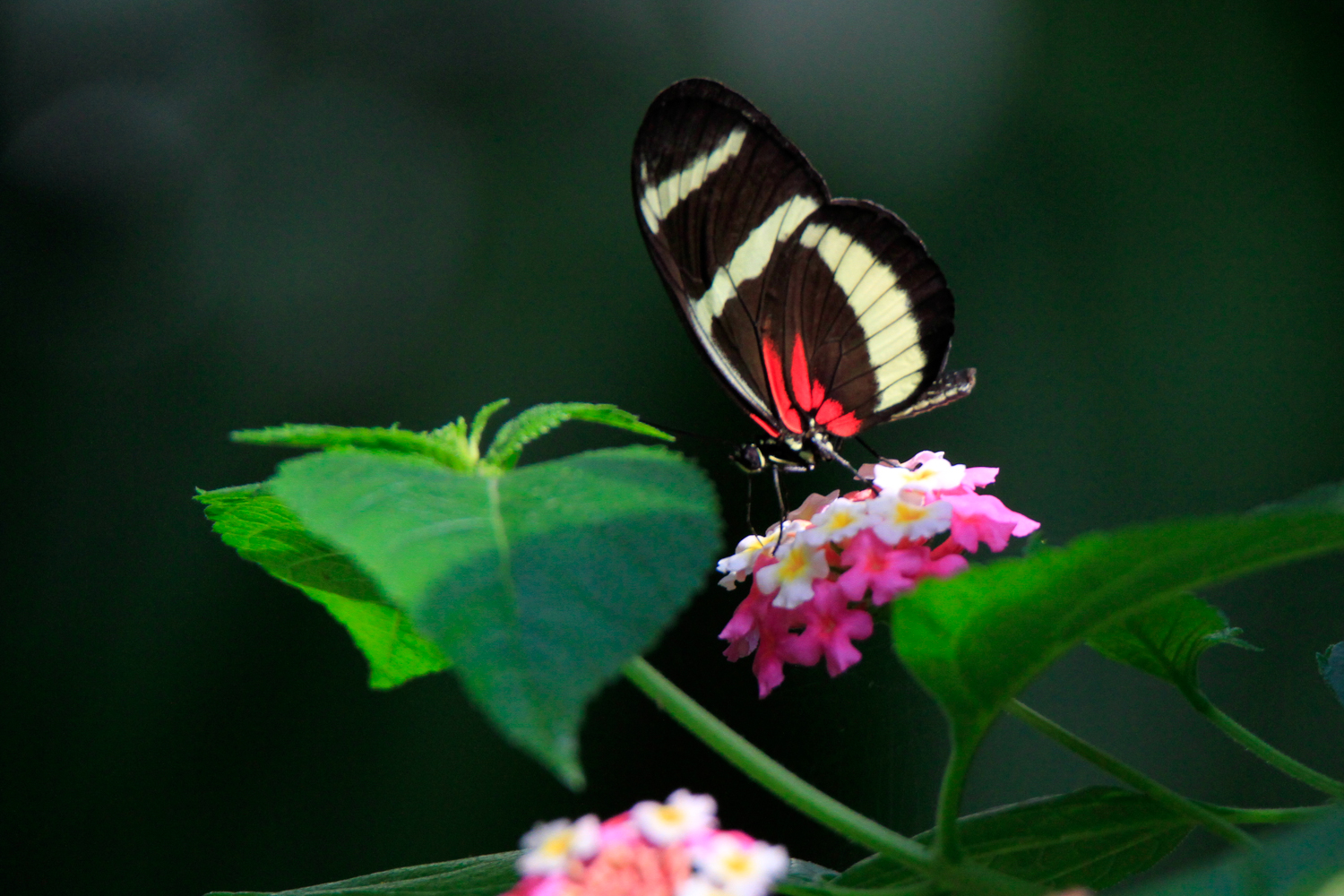
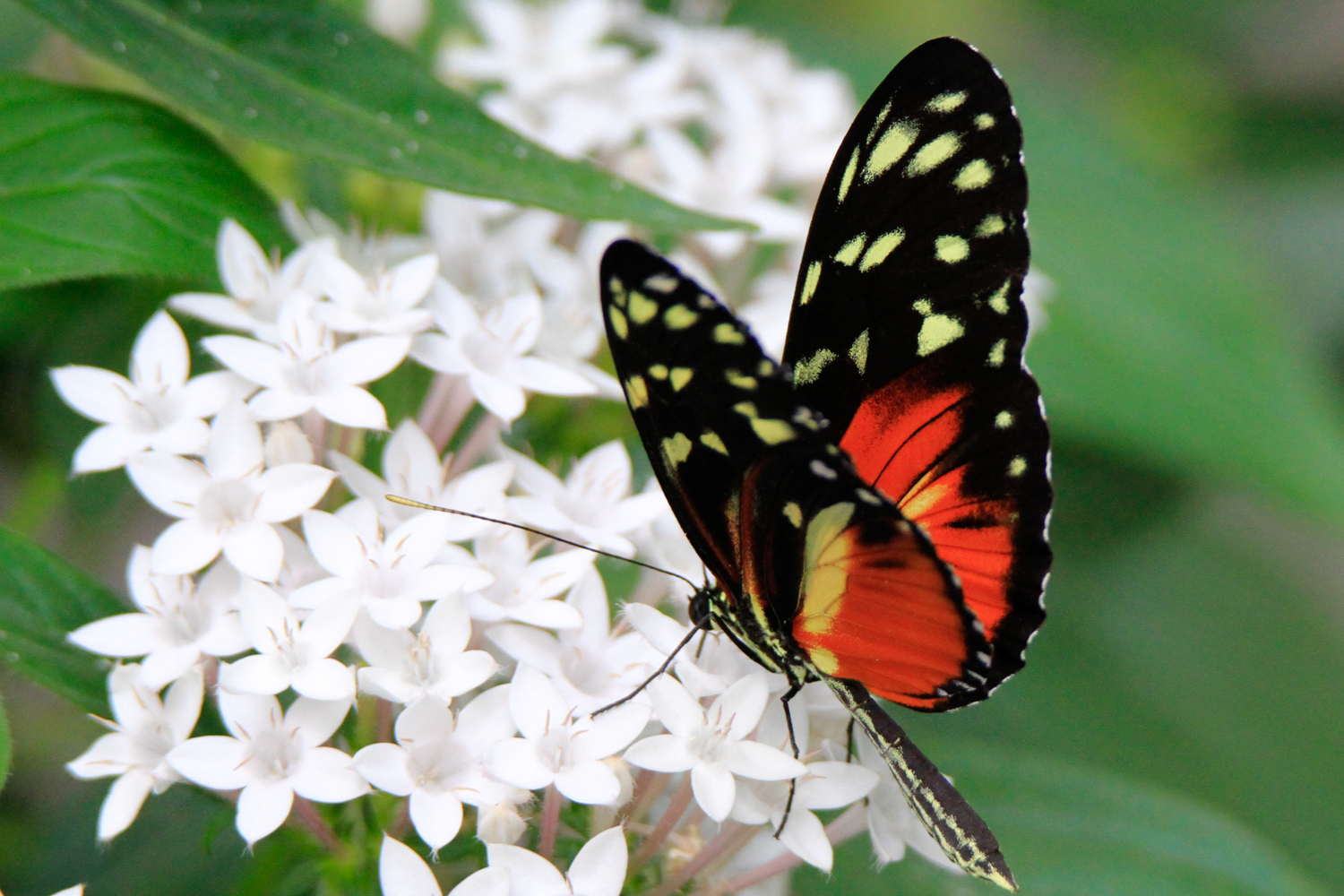
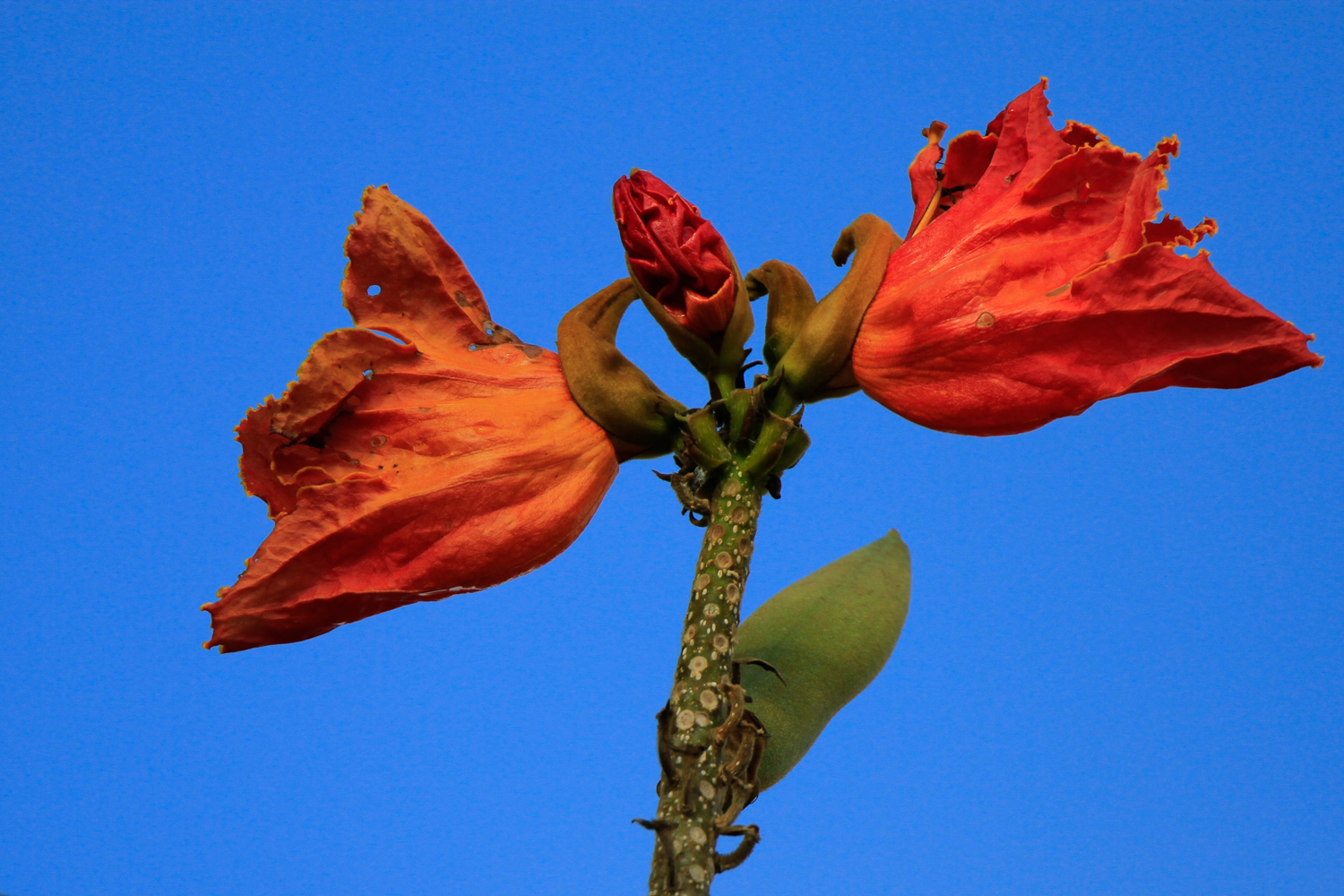
Monteverde Cloud Forest is an area on the Pacific side of the Tilaran Range in the north of the country. The trade winds come up from the Pacific ocean, but can't cross the high mountains and end up shrouding the slopes in near-constant clouds and mist. This produces spectacular biodiversity and abundance of flora and wildlife.
It also produces near-constant rainbows:
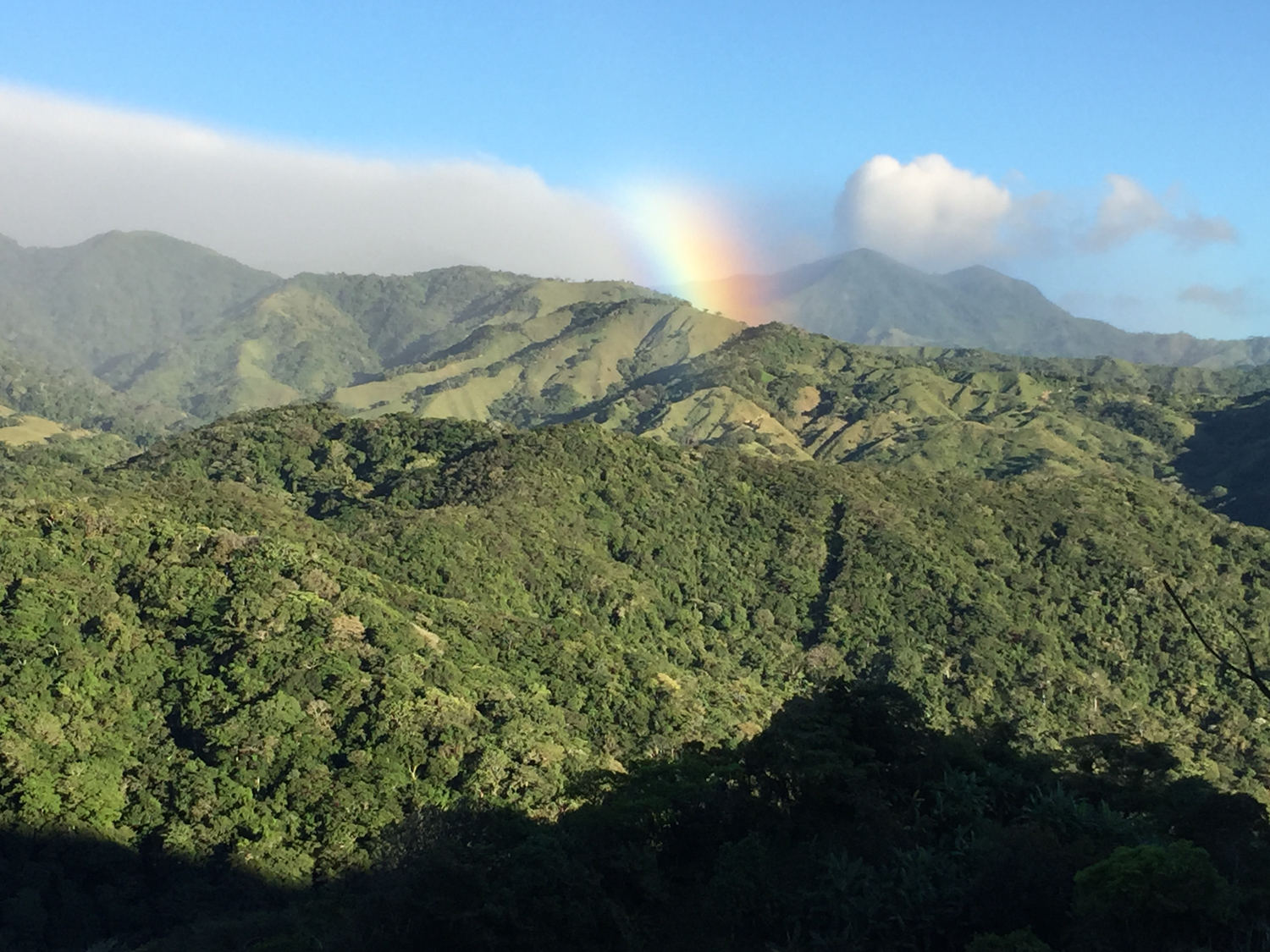
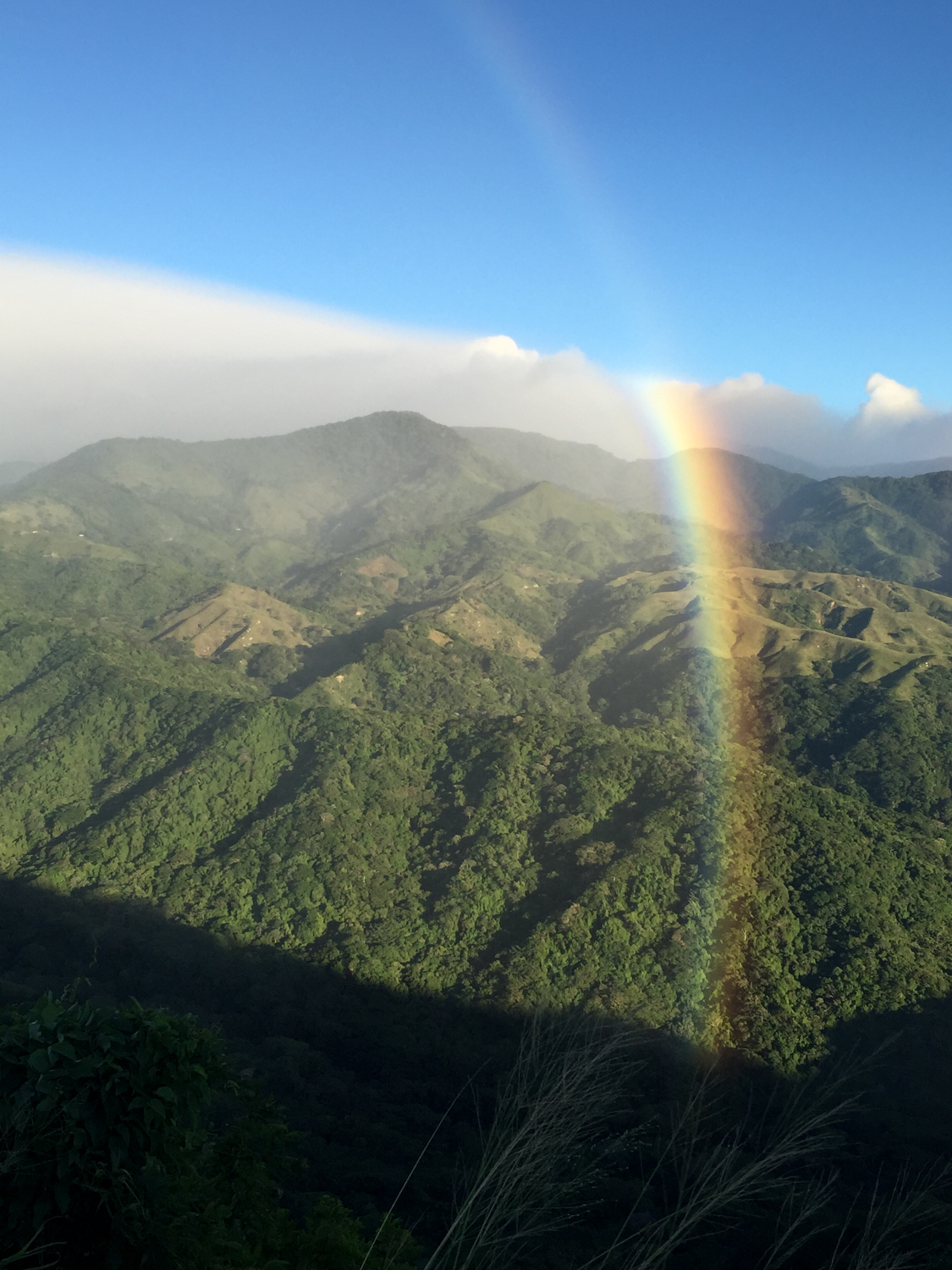
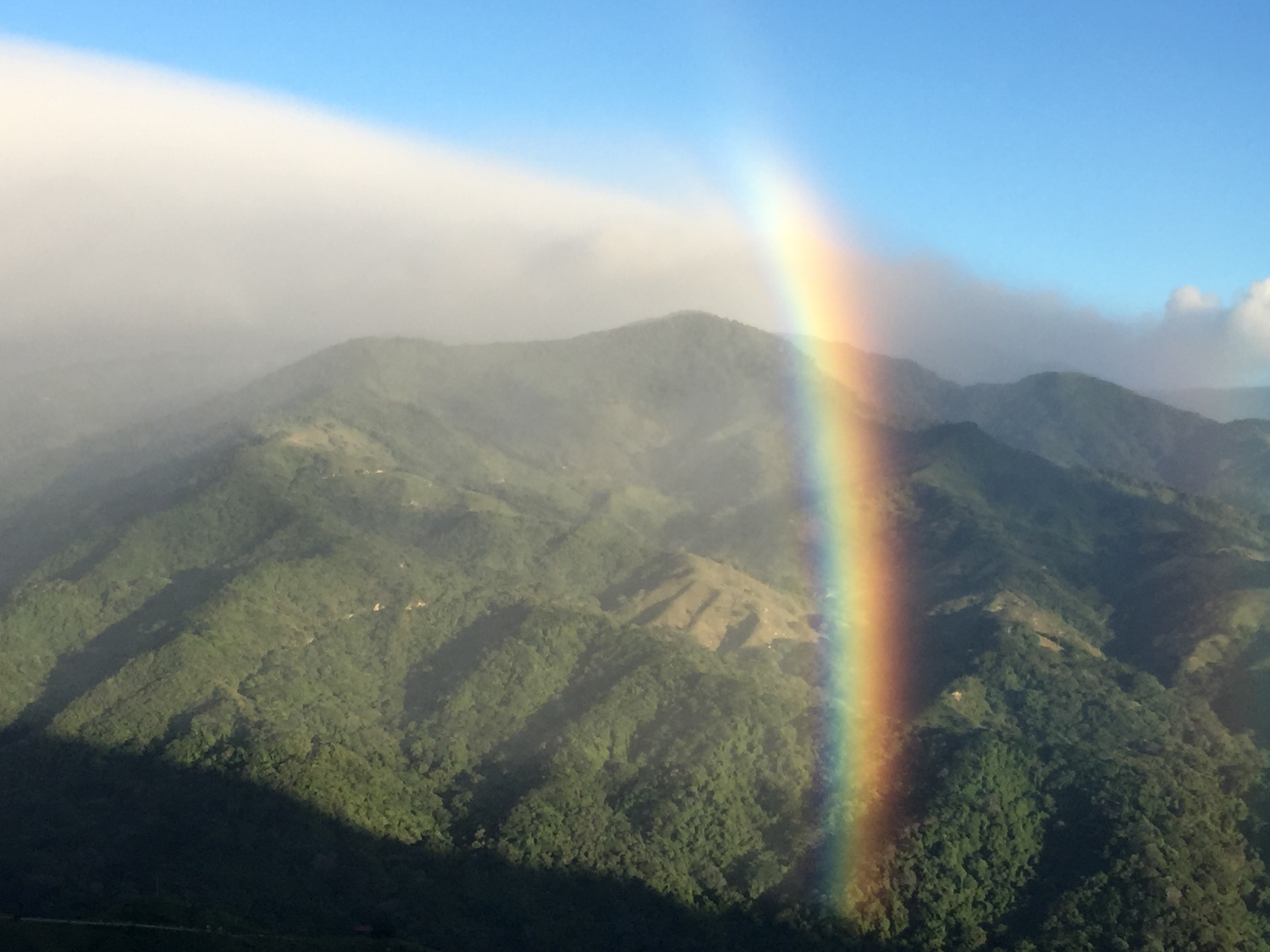
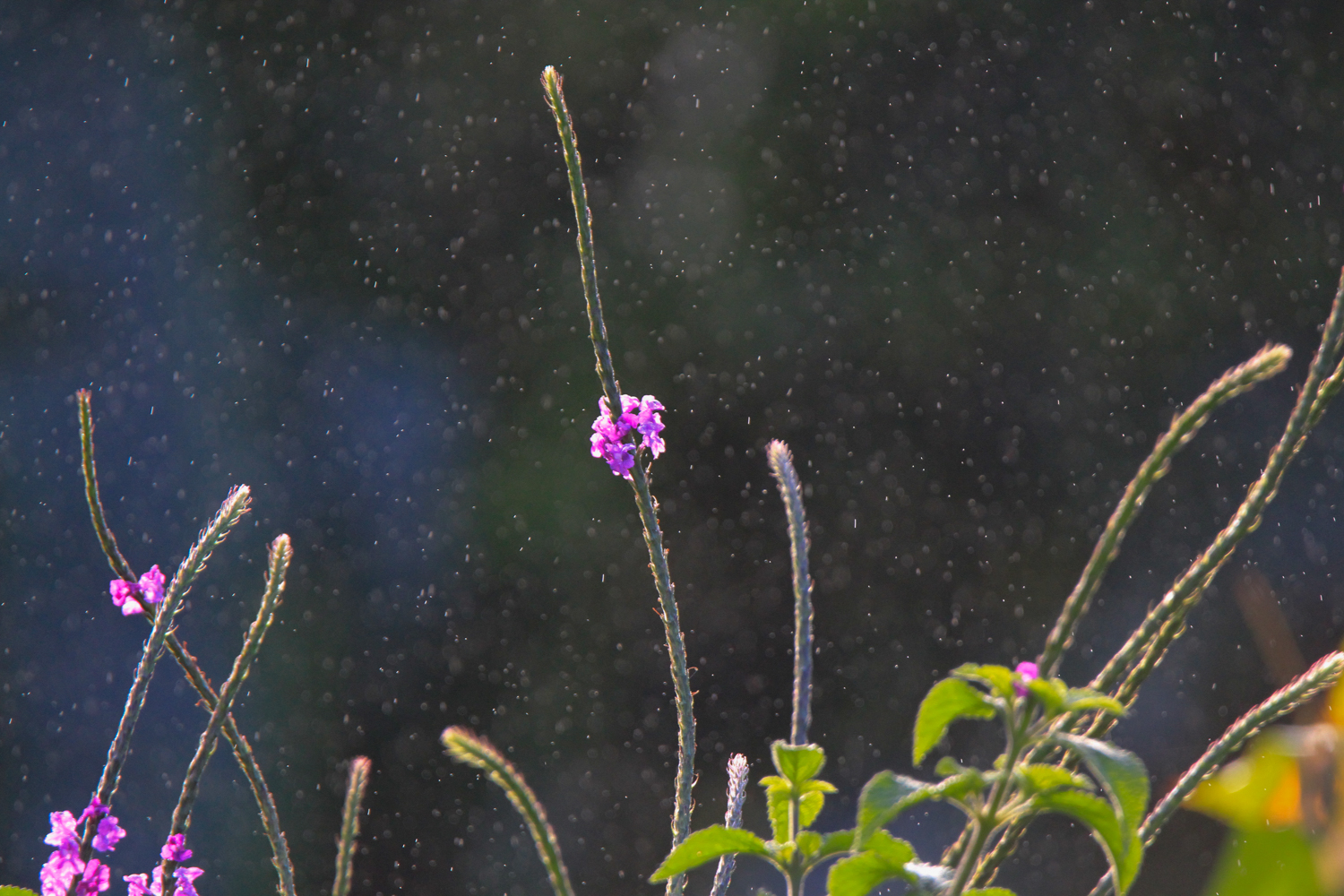
This is what being in a cloud forest feels like. The sun is shining - but the mist is ever-present:
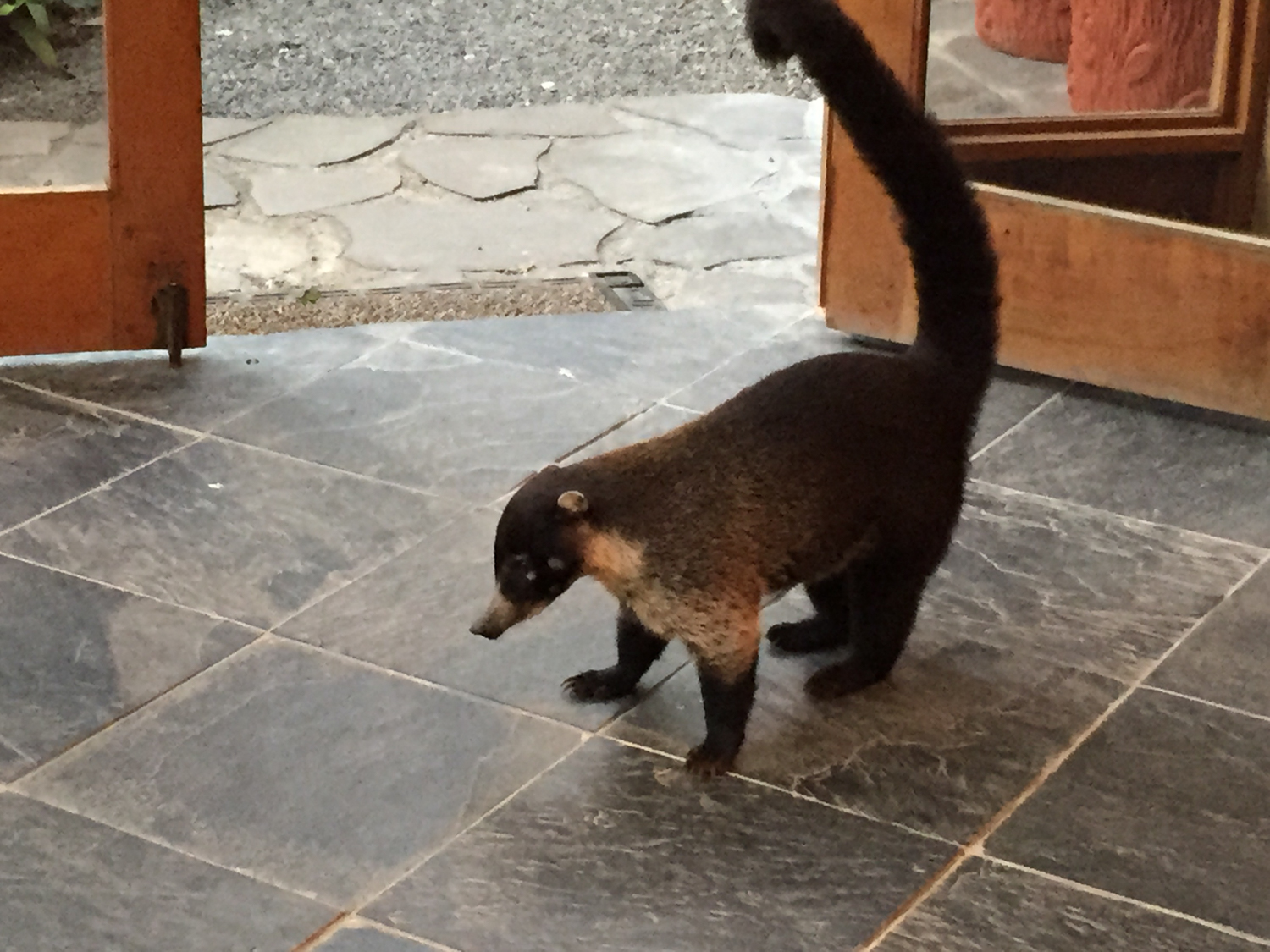
Monteverde is a major ecotourism destination, and we stayed in one of the lodges catering to visitors of the park. Just to prove that we are in a wild country now, this coati showed up in our lodge just when we were checking in.
Another proof that it's not your usual destination. It was not an idle threat - the monkeys did come to the garden one day.

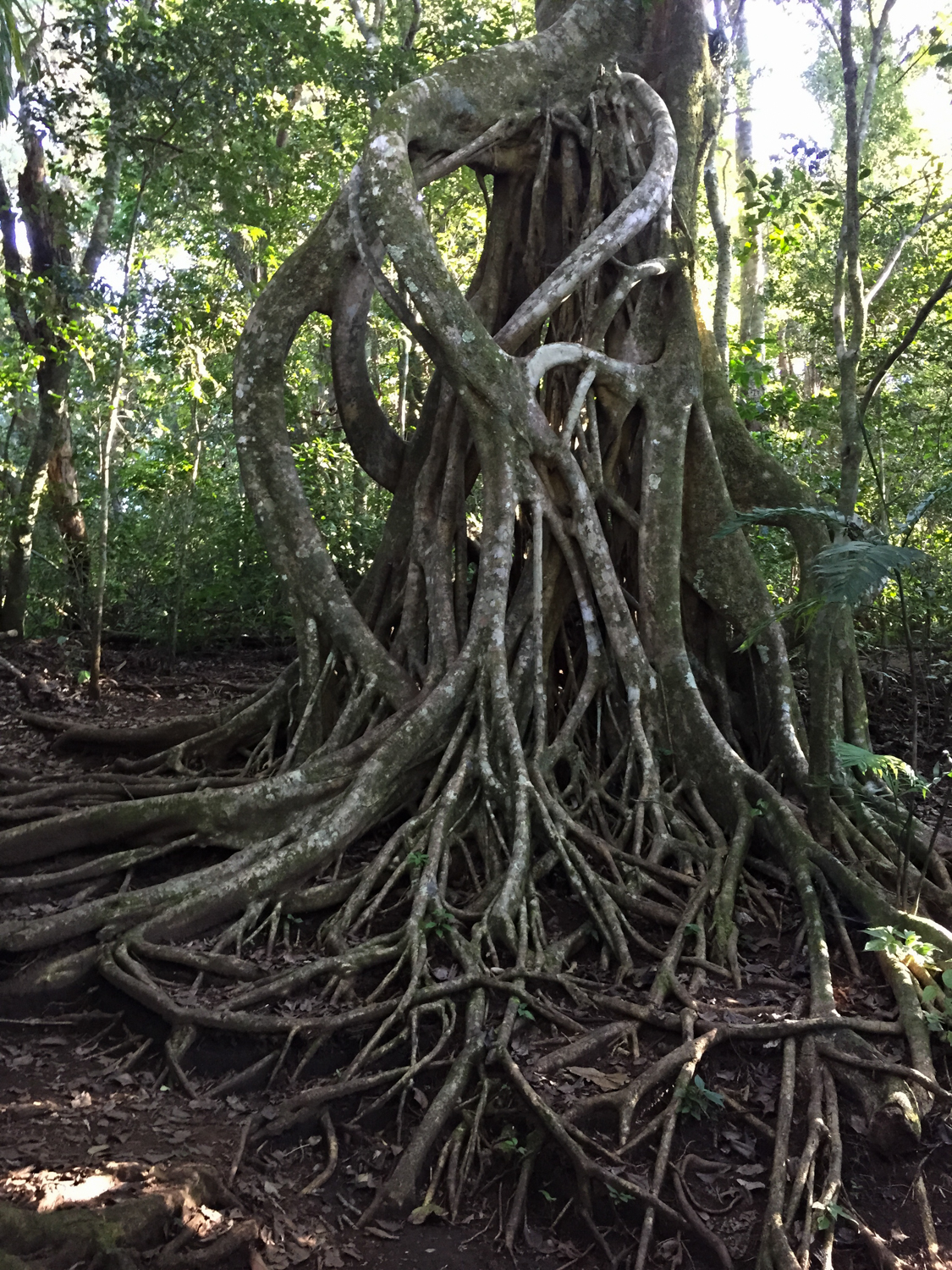
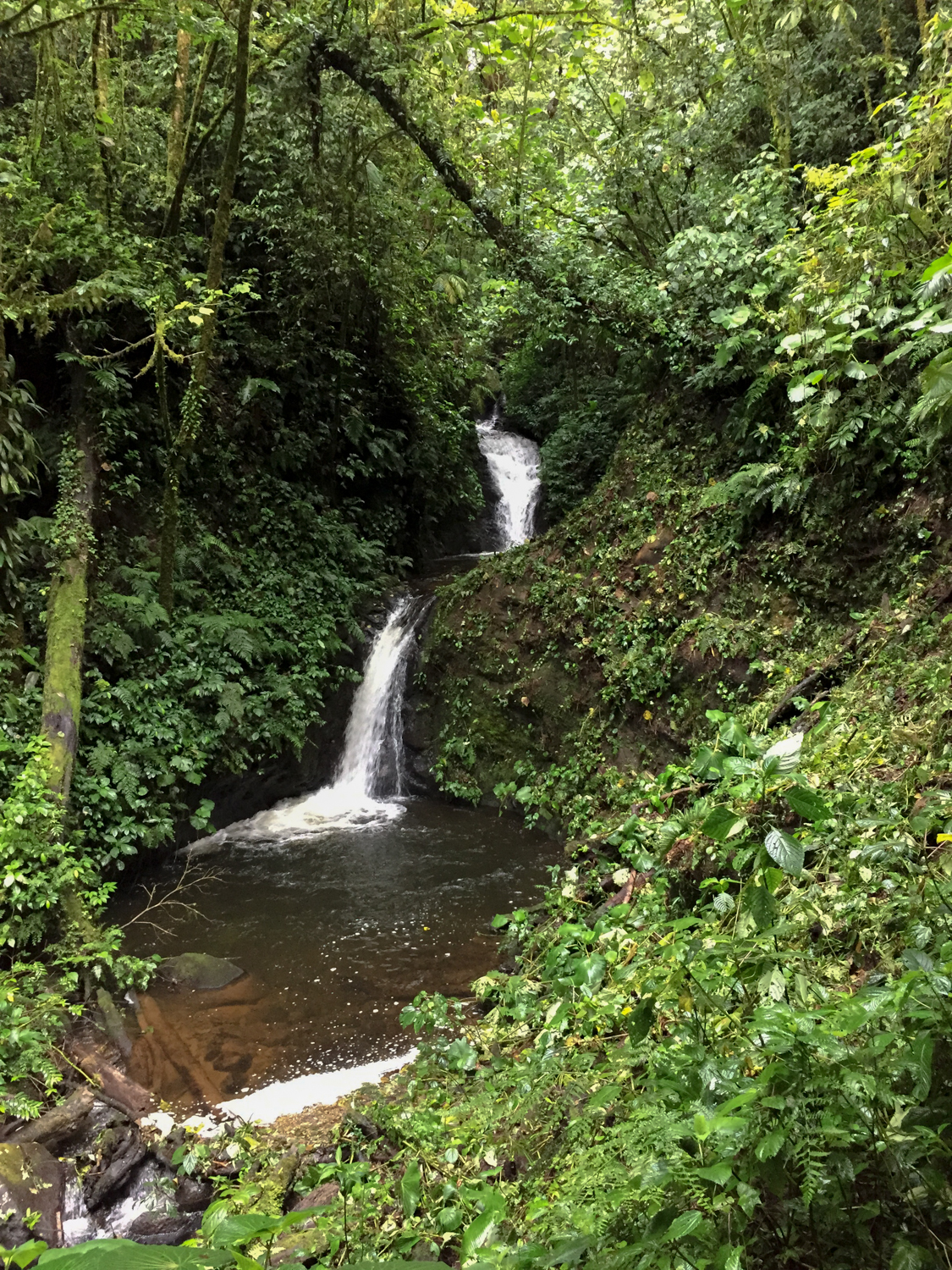
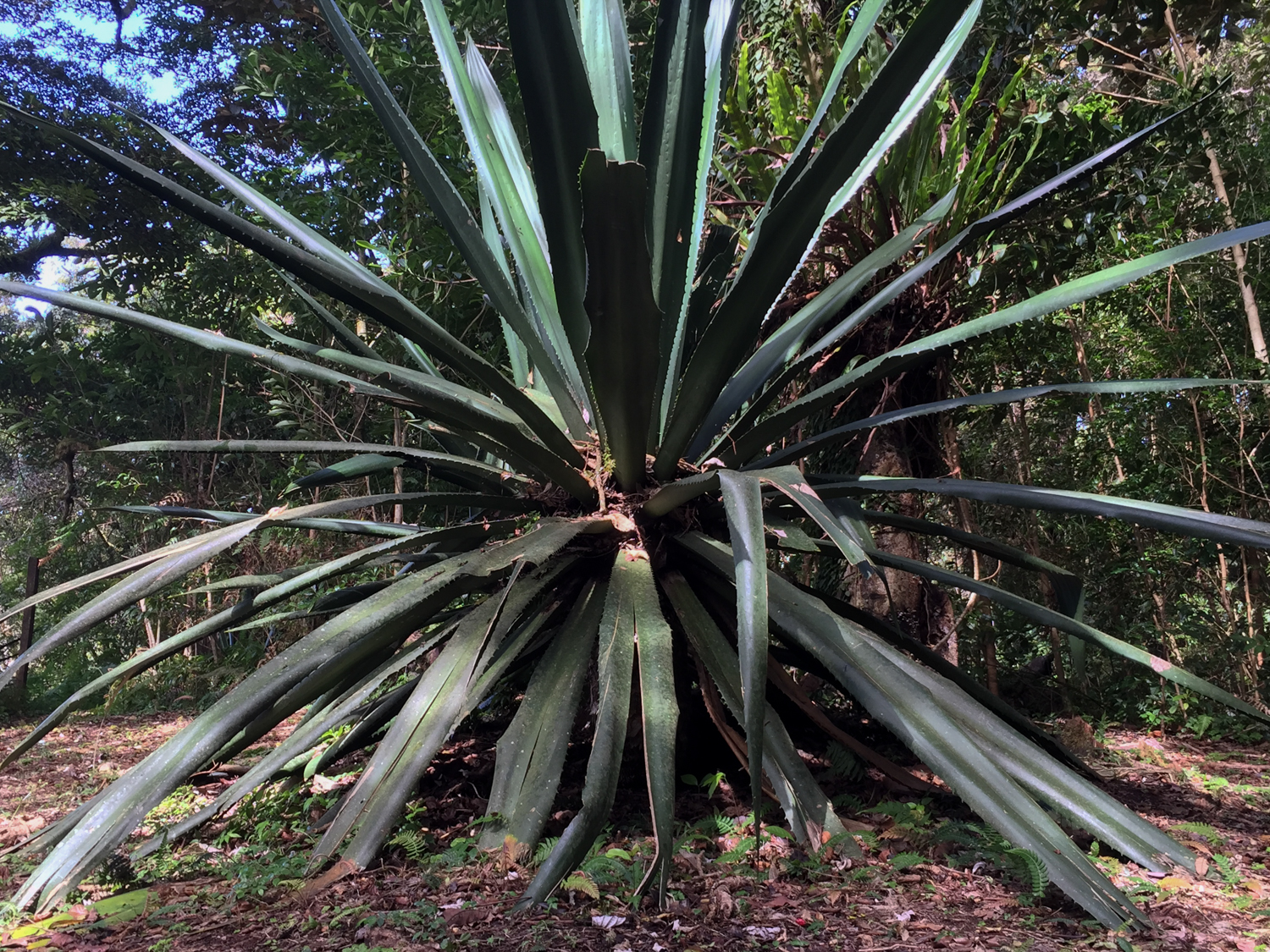
We made it to the Monteverde park the day after we arrived.
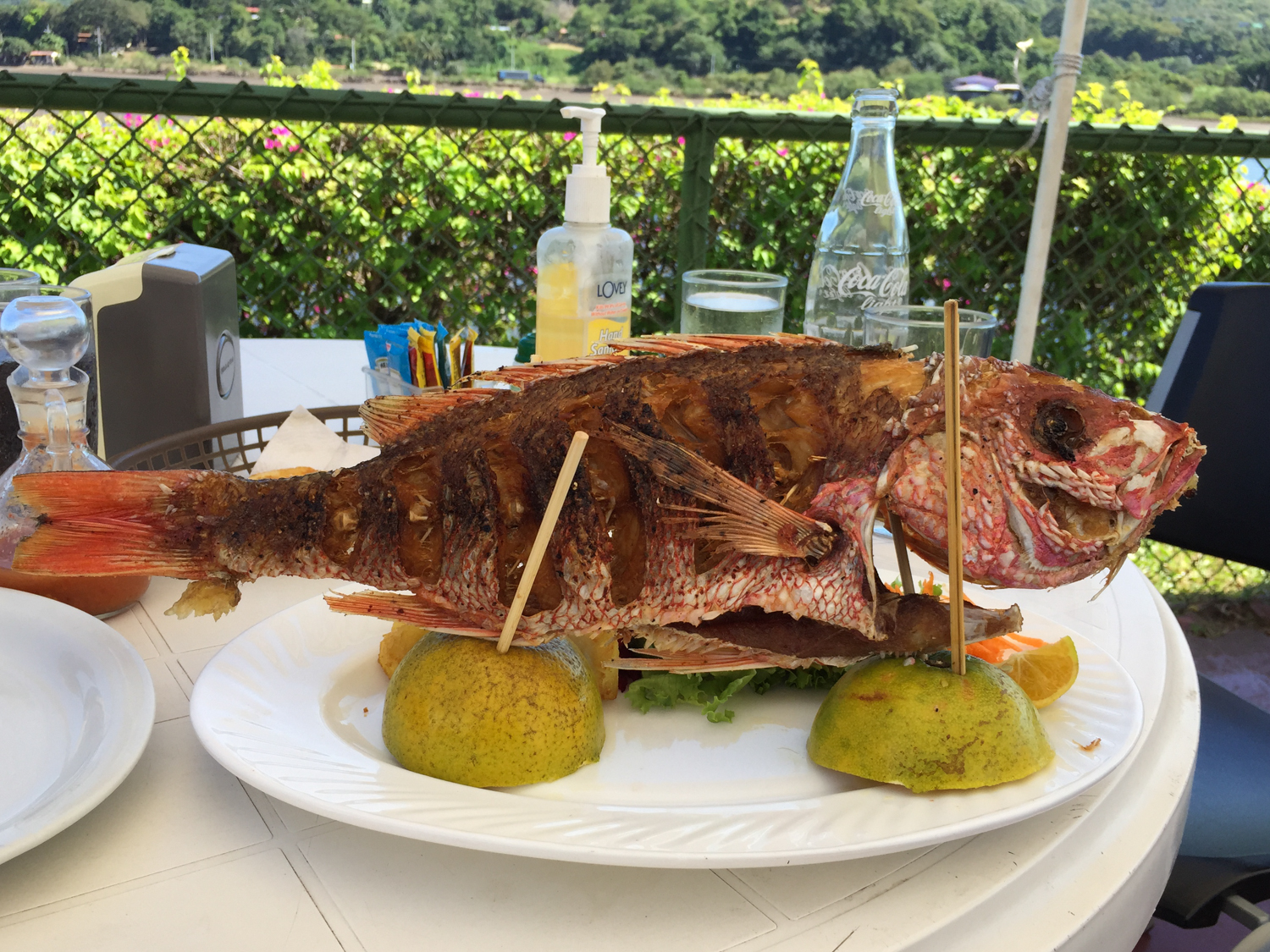
On the way from Monteverde to Carara, lunch in a roadside restaurant:
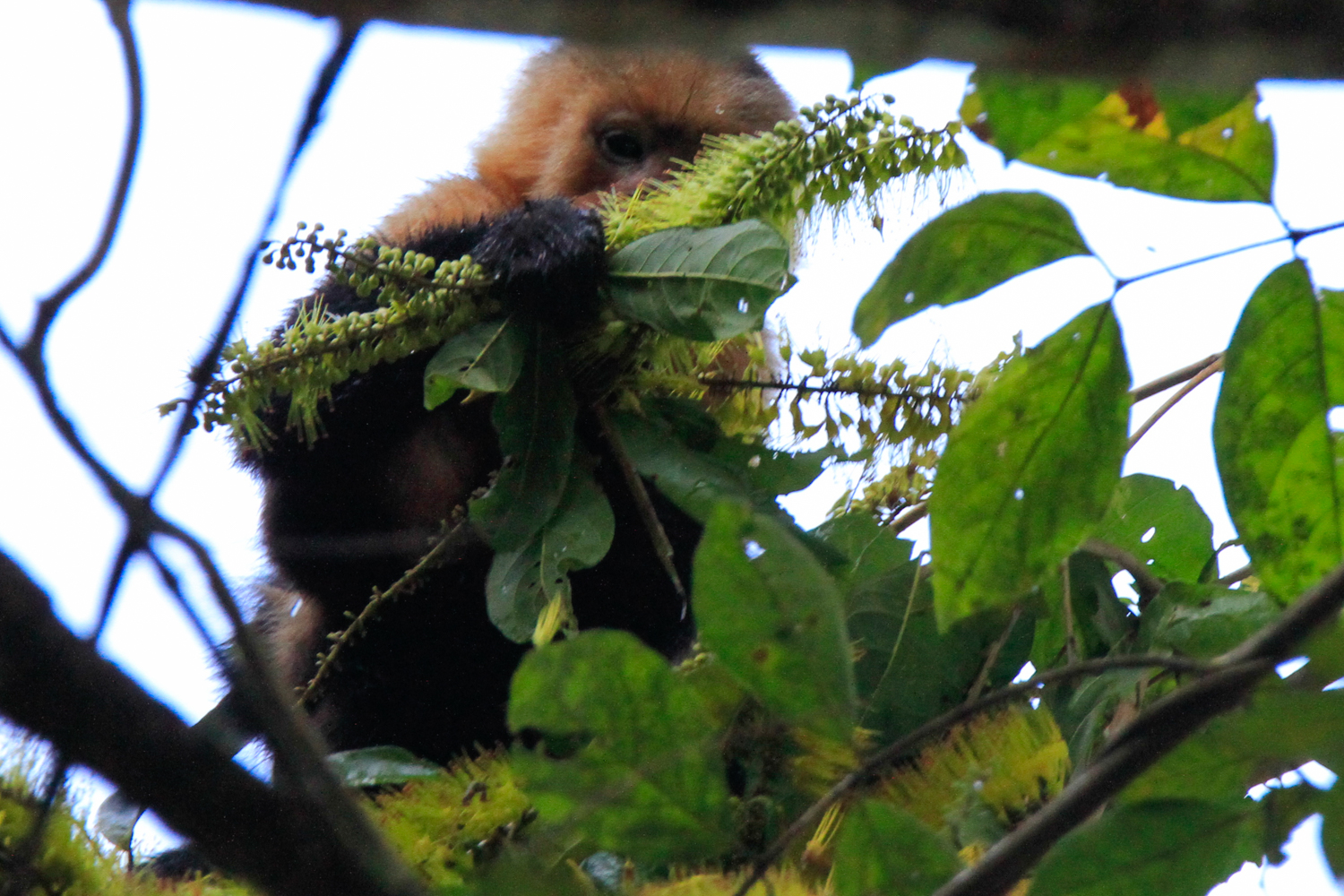
Carara park is a complete opposite from Monteverde. It's located in Pacific coastal lowlands, in a place where two more climate zones come together: dry tropical forest and wet tropical forest, resulting in a huge diversity of plants and animals. But on arrival, we were greeted by one of the ubiquitous white-headed capuchins:
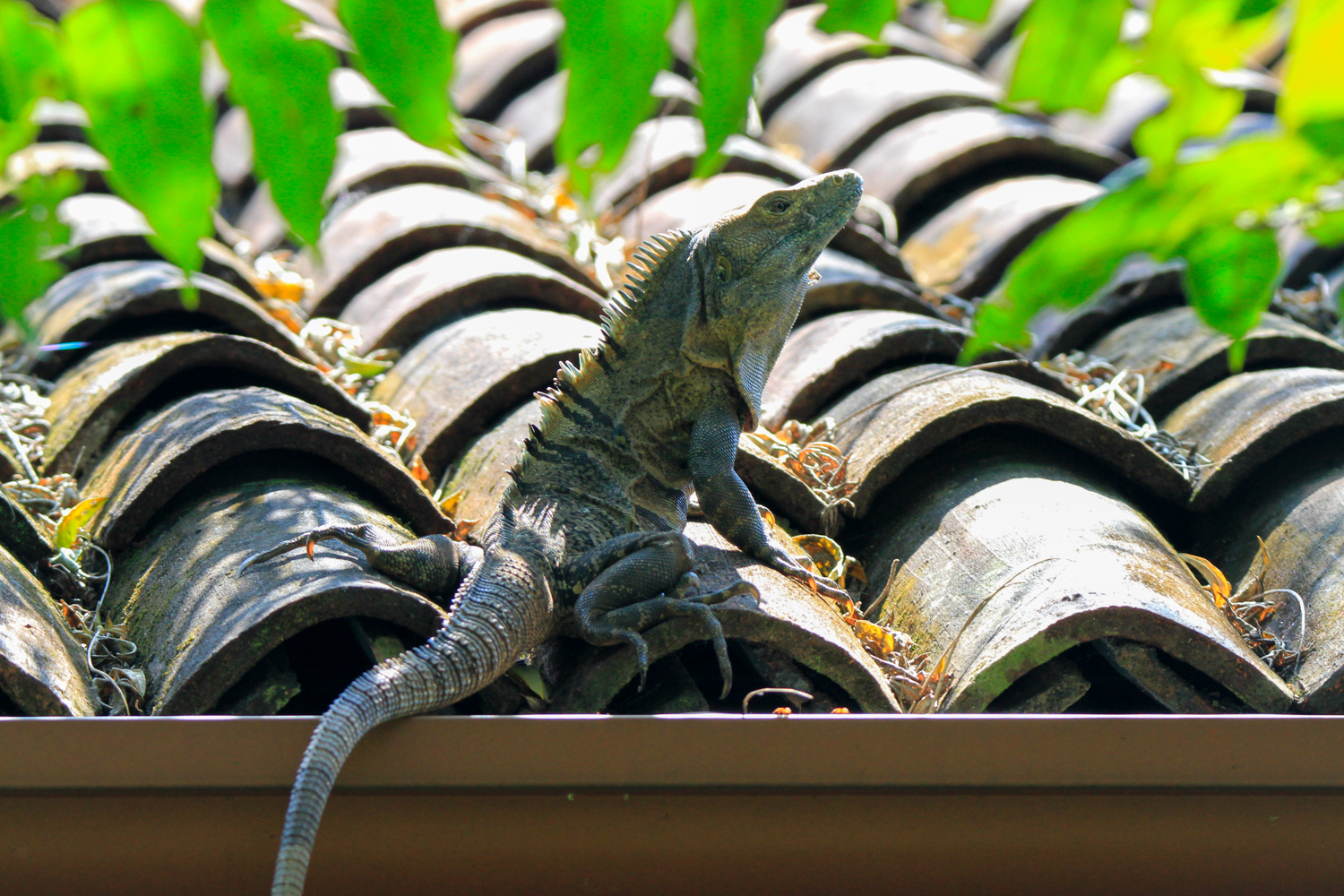
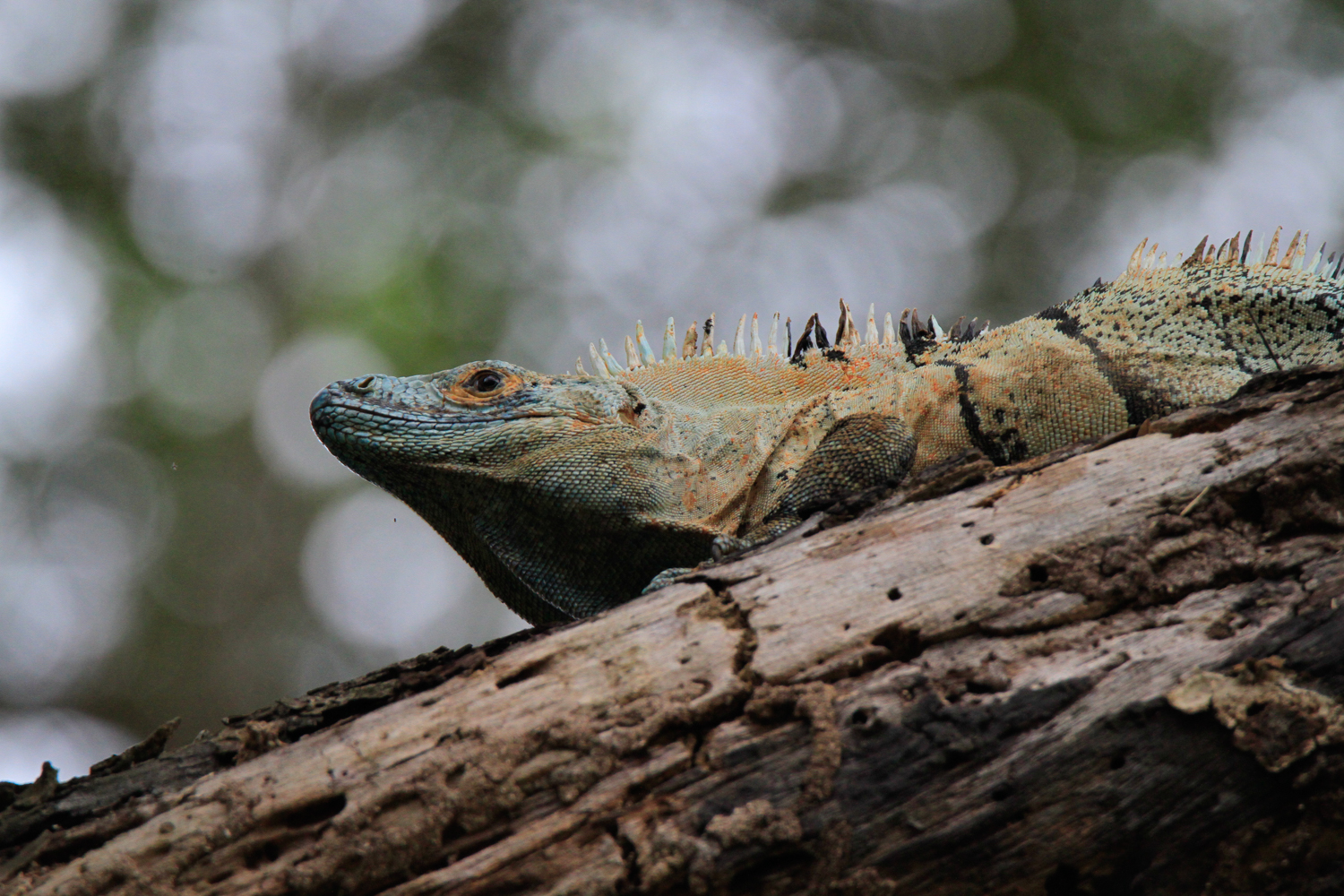
Even more ubiquitous were the iguanas - this one on top of our house:
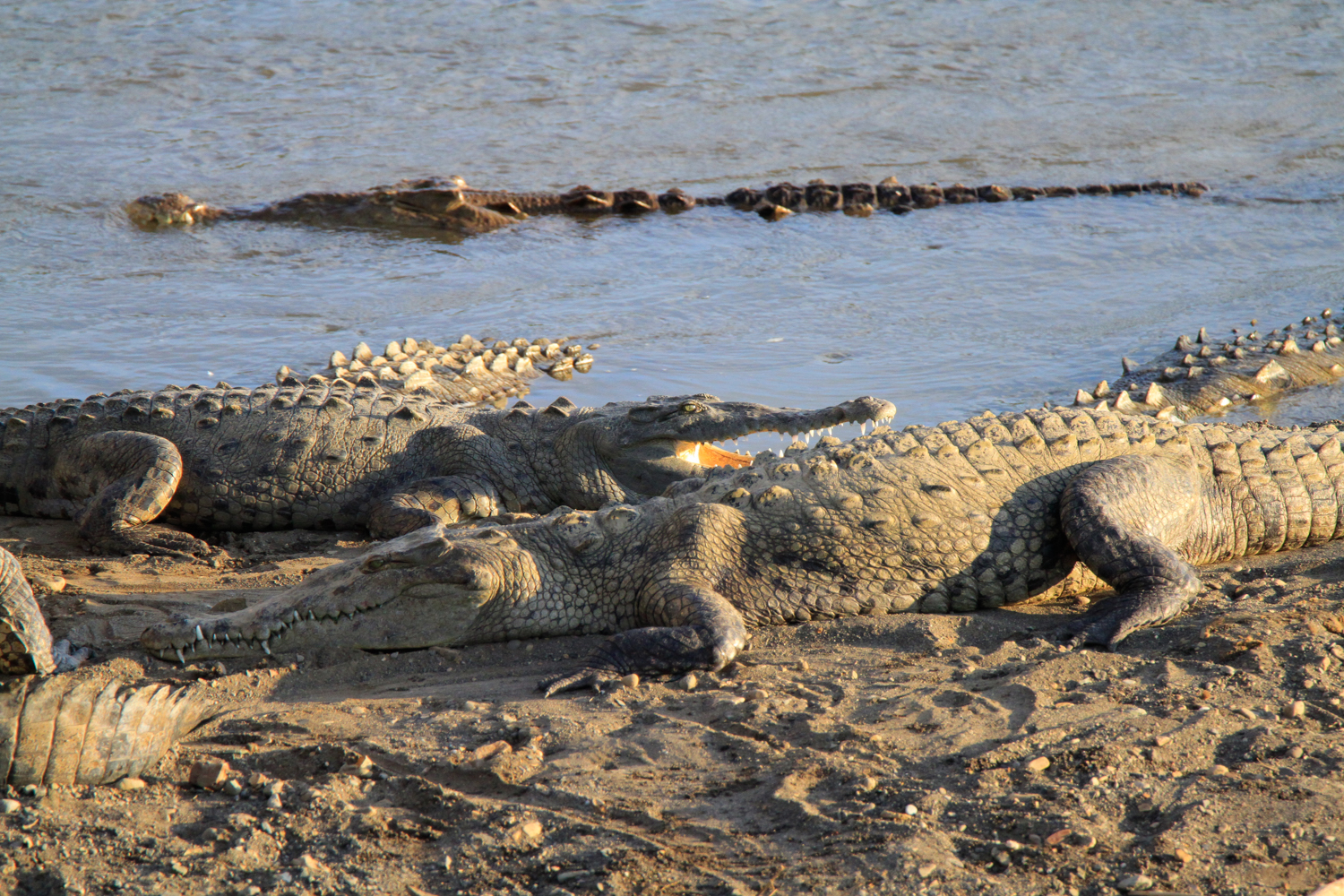
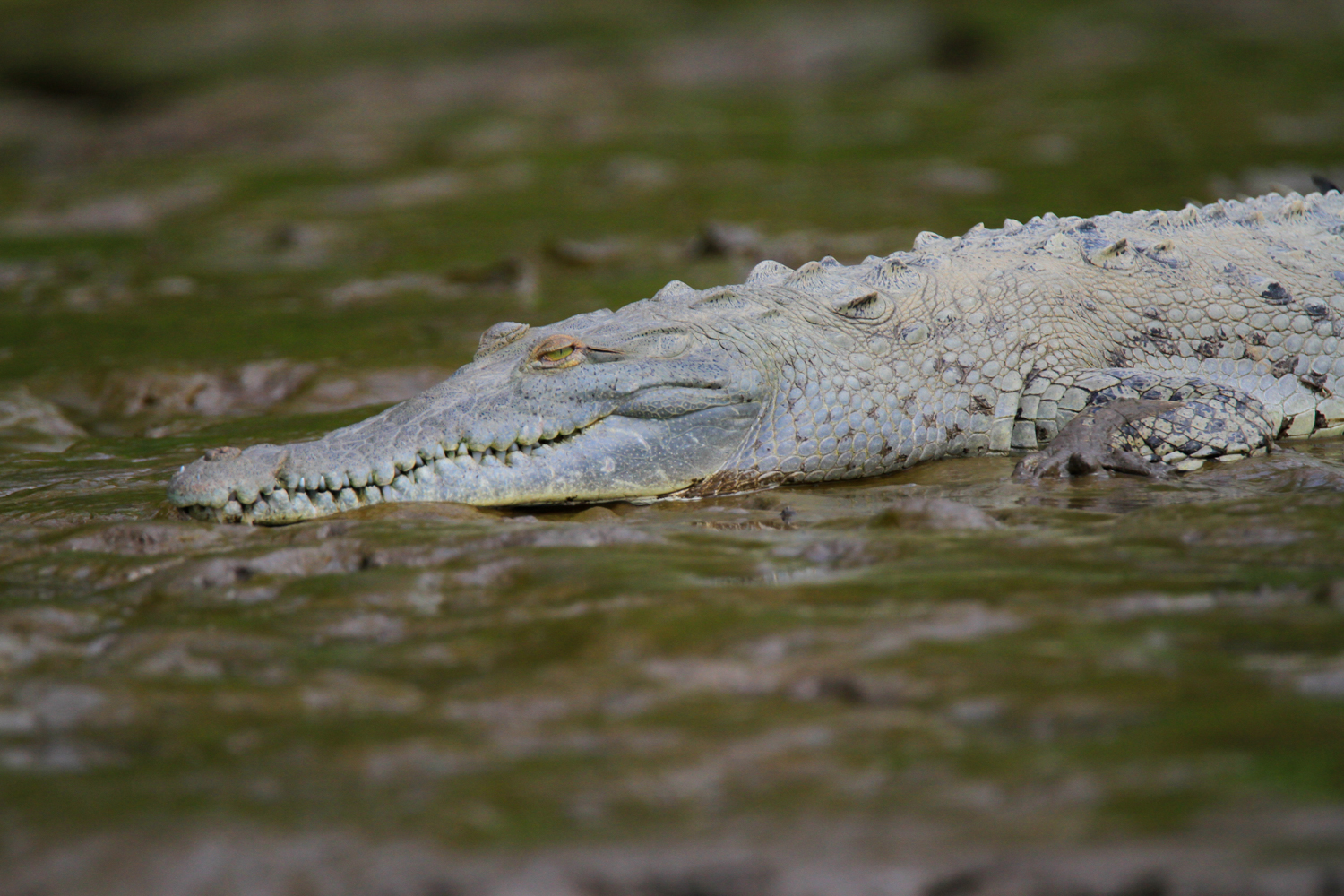
Another local celebrity is the American Crocodile. Right near the park is the Tarcoles River. A bridge crosses it at one point, and the crocodiles like to out and bask in the sun on the islands and shores by the bridge:
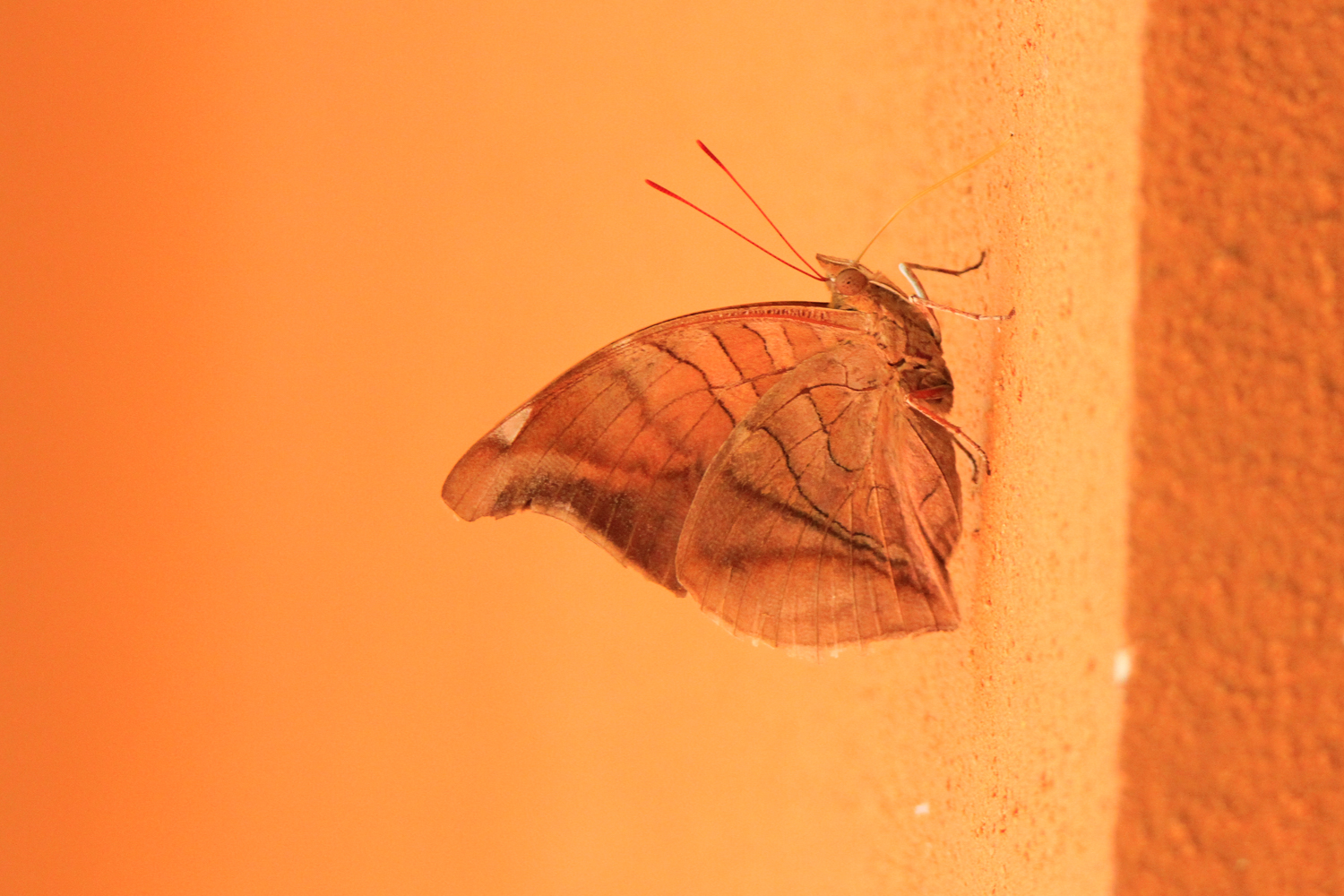
We saw many butterflies in Costa Rica, but this one was different. It's one of a few that camouflage themselves as dry leaves:
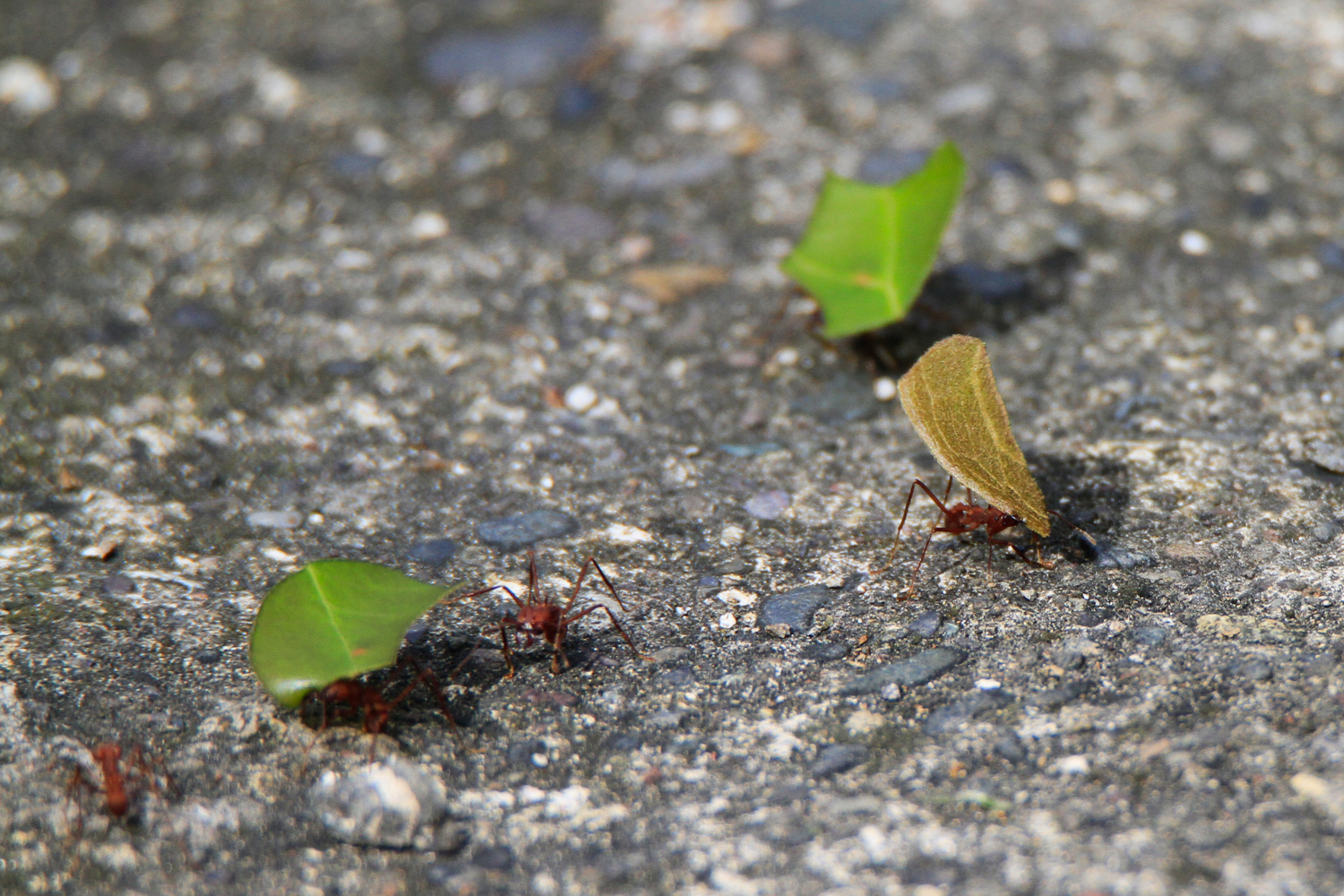
Speaking of leaves - came across a small army of leadcutter ants. They take the leaves to their mounds, and use it to farm a fungus that is their main food.
More good shots: